Alison Knowles European Tour
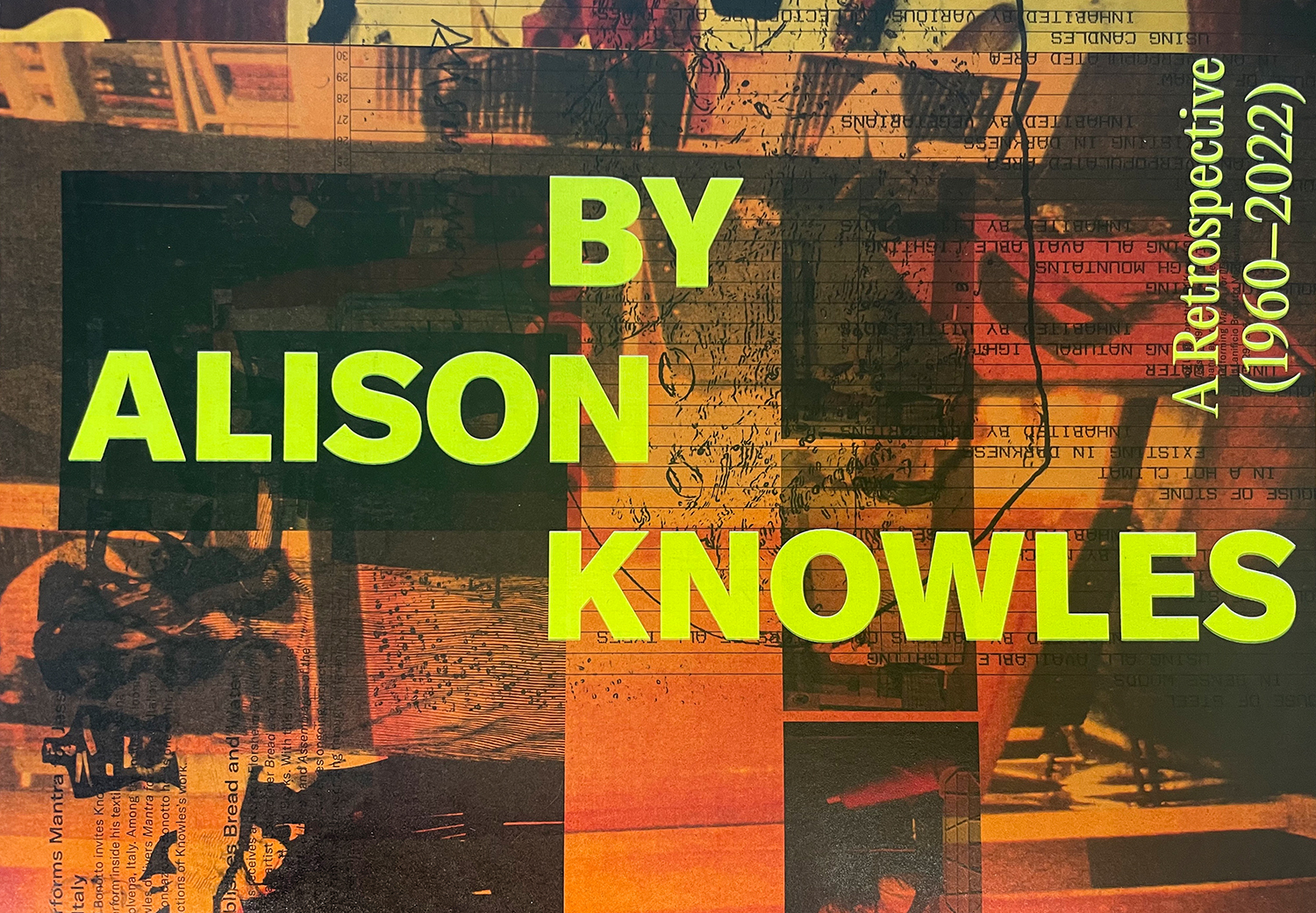
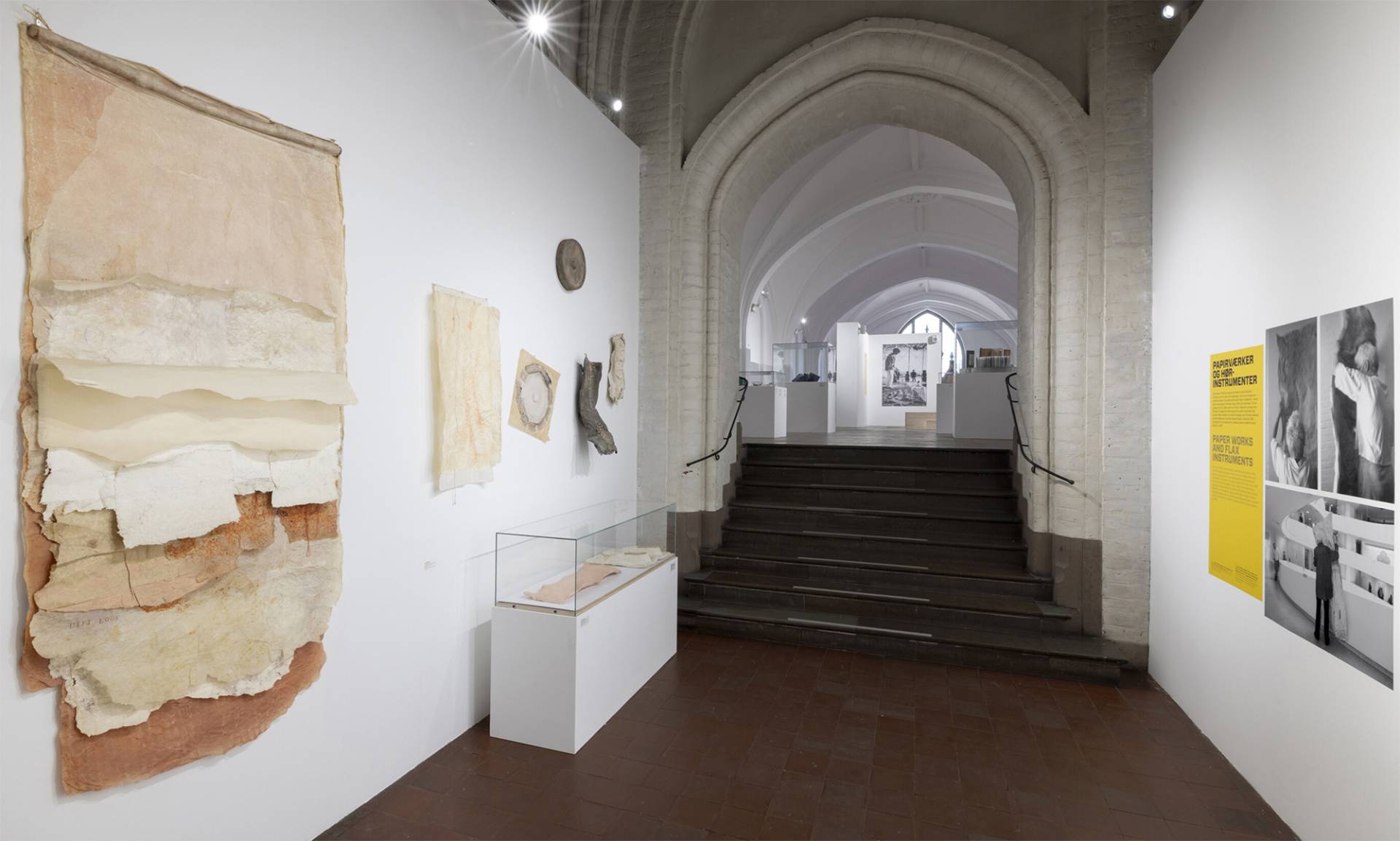
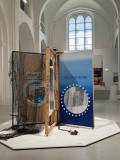
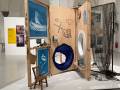
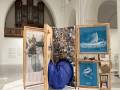
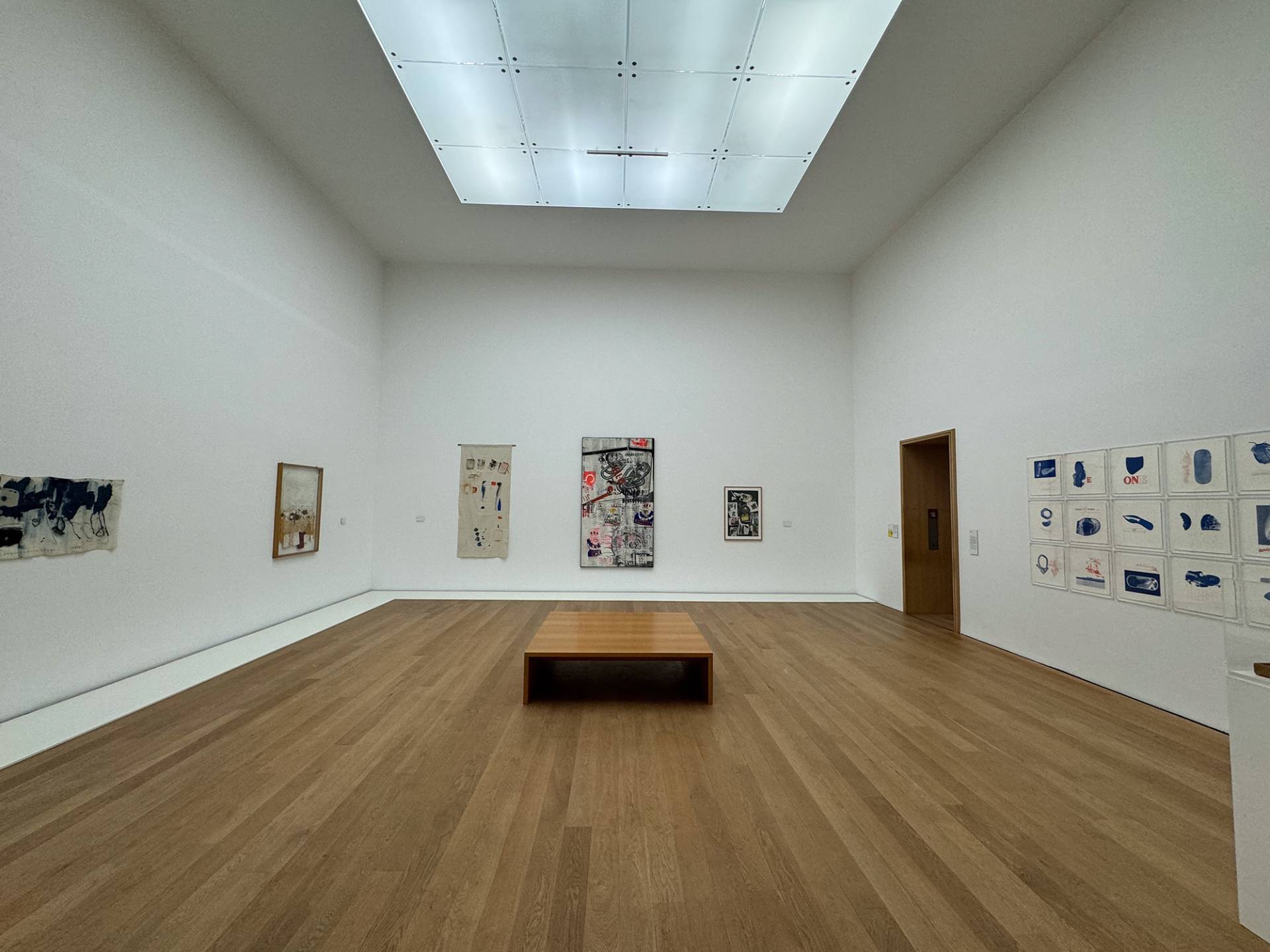
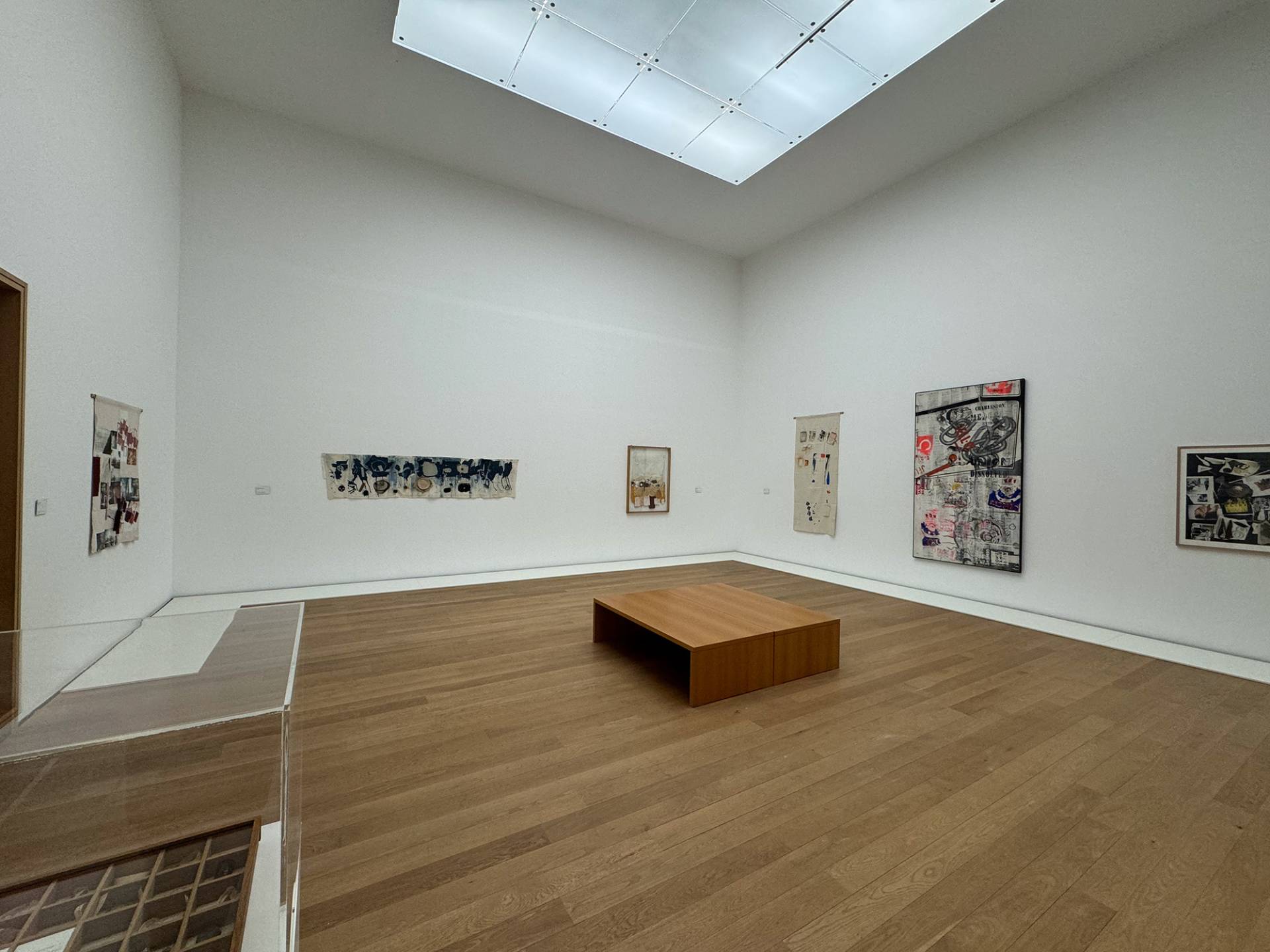
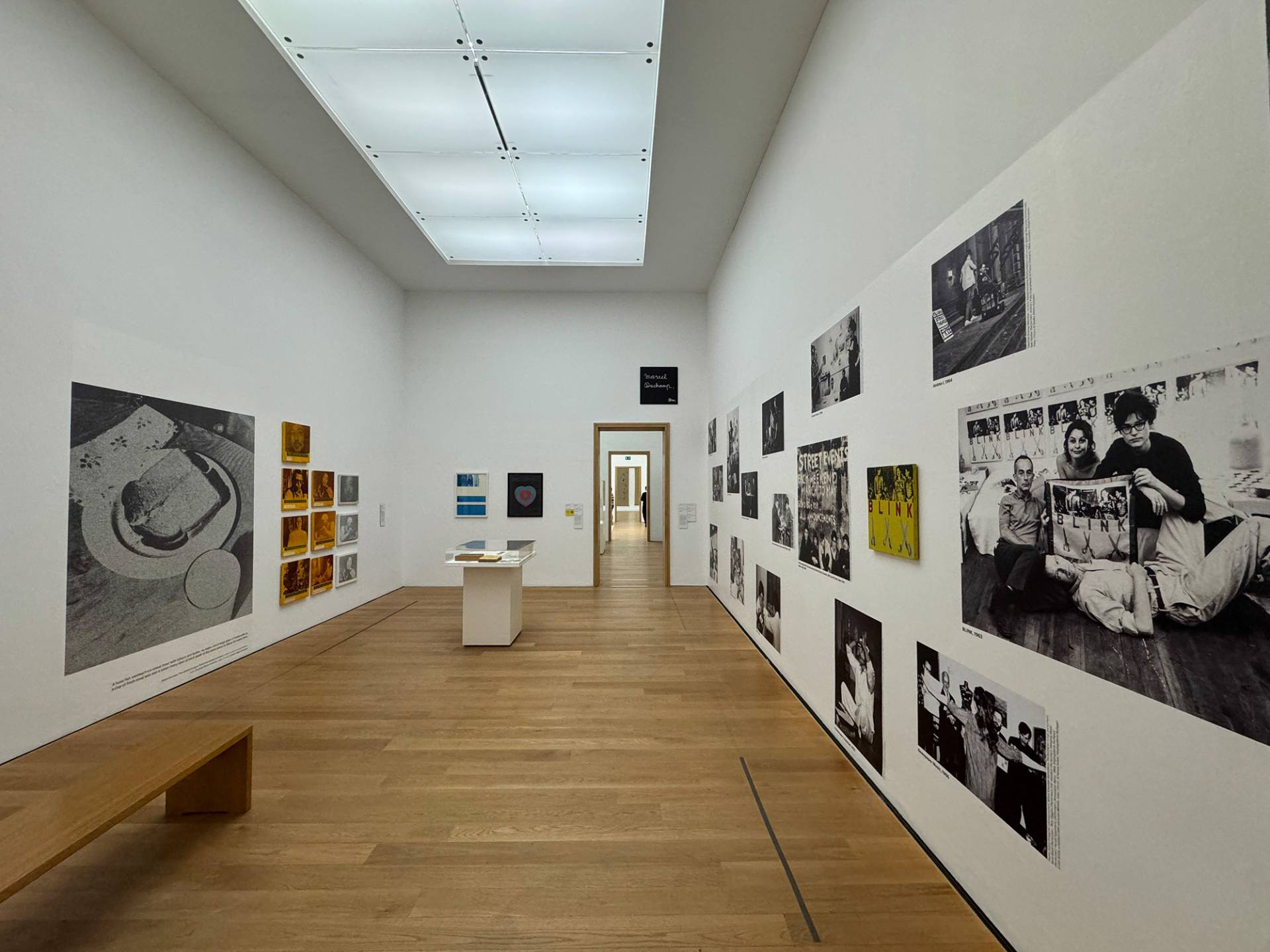
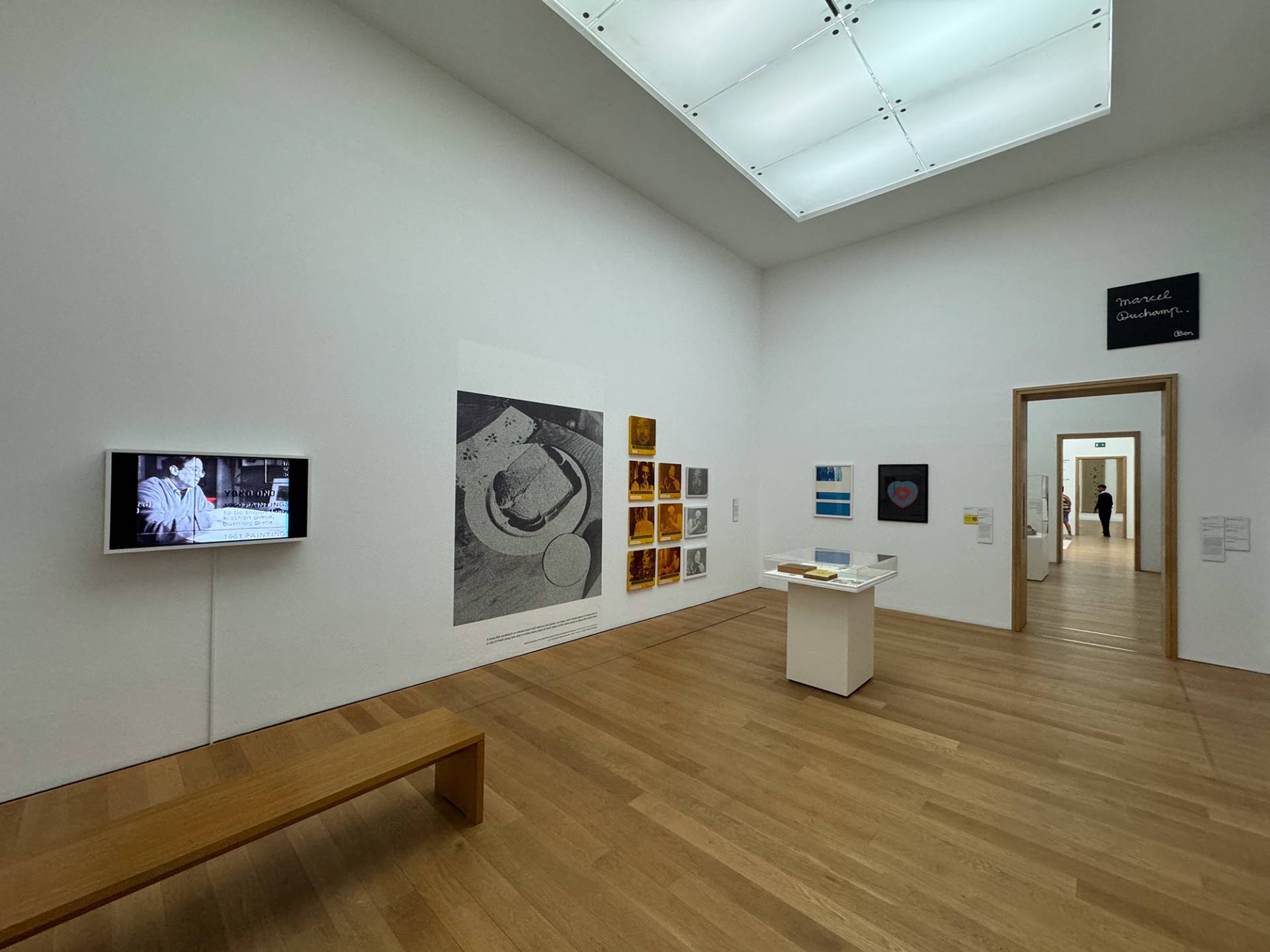
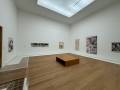
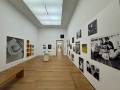
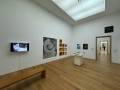
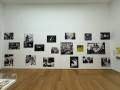
Alison Knowles Retrospektive, Museum Wiesbaden, Germany
September 20, 2024 – January 26, 2025
Wiesbaden team: Jörg Daur, deputy director/chief curator, and Jana Dennhard, curator of modern and contemporary art
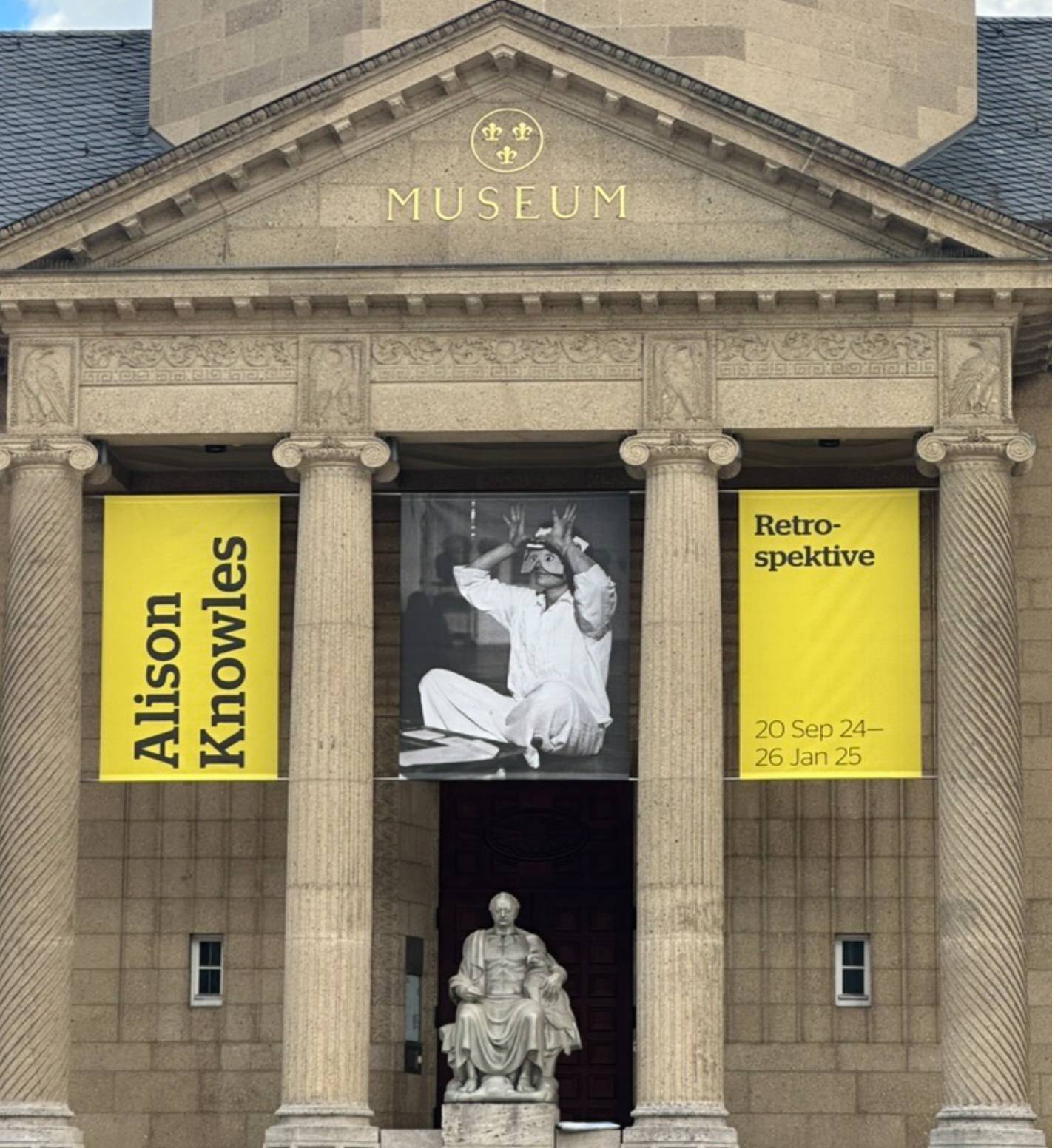
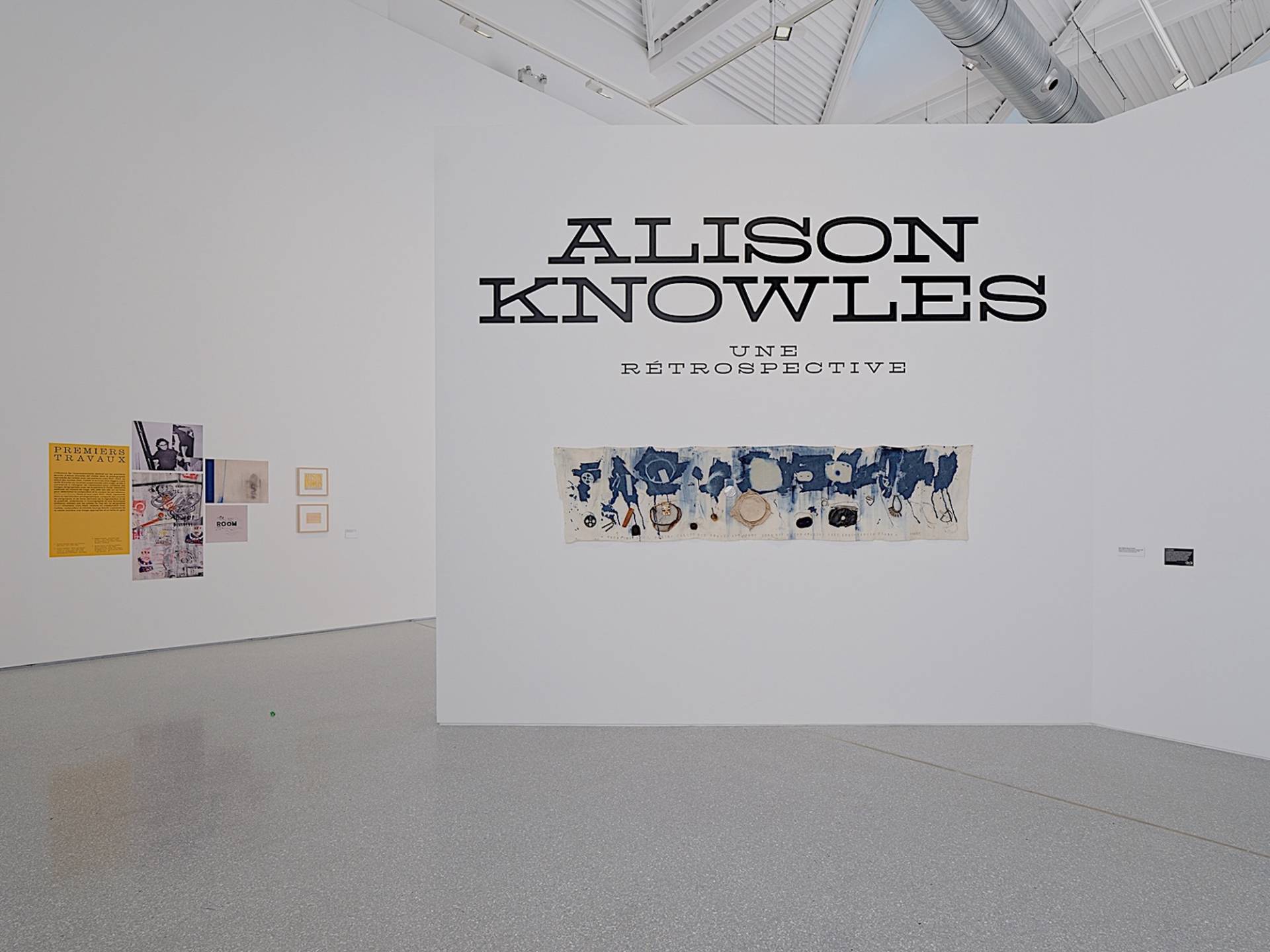
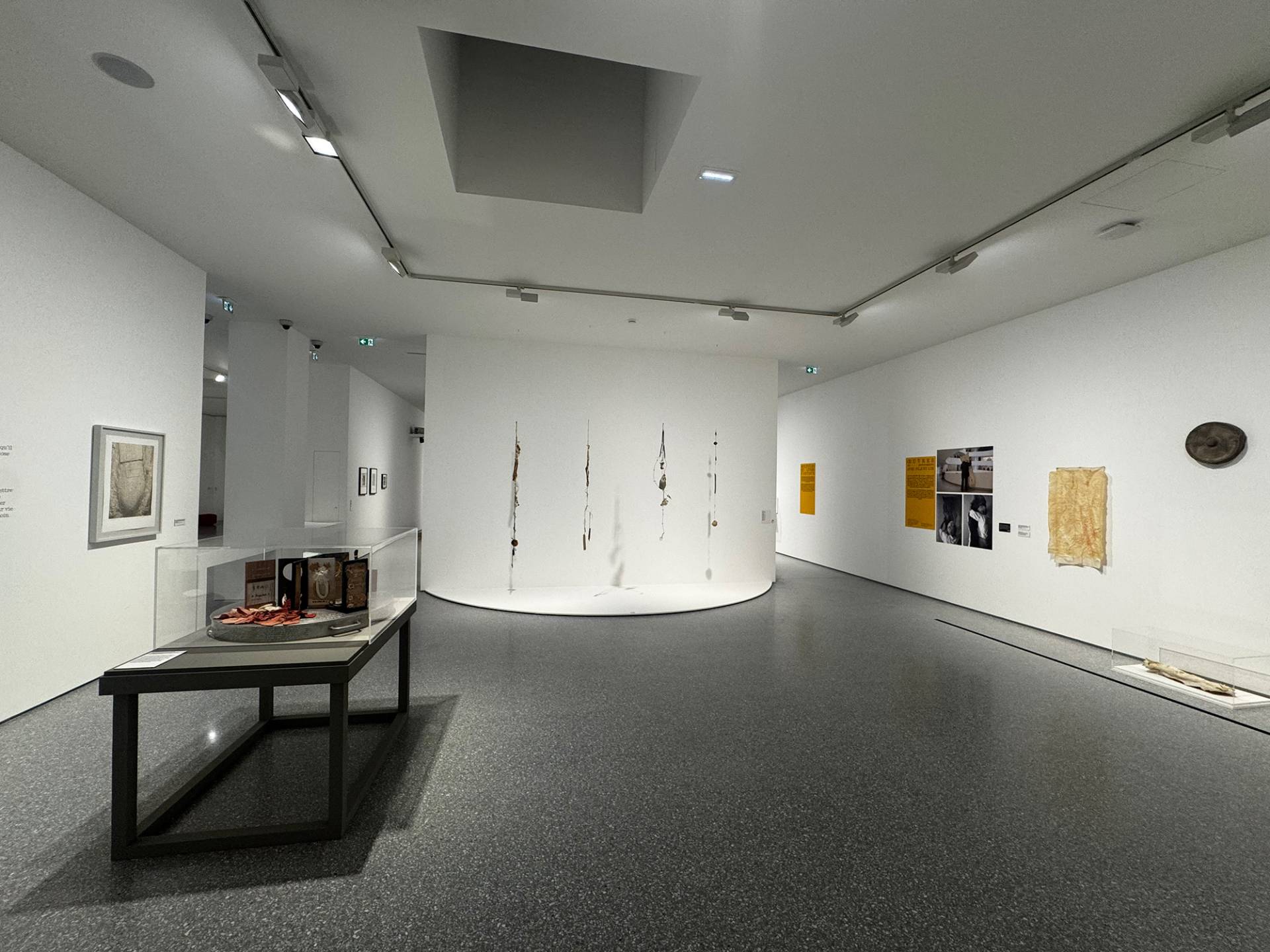
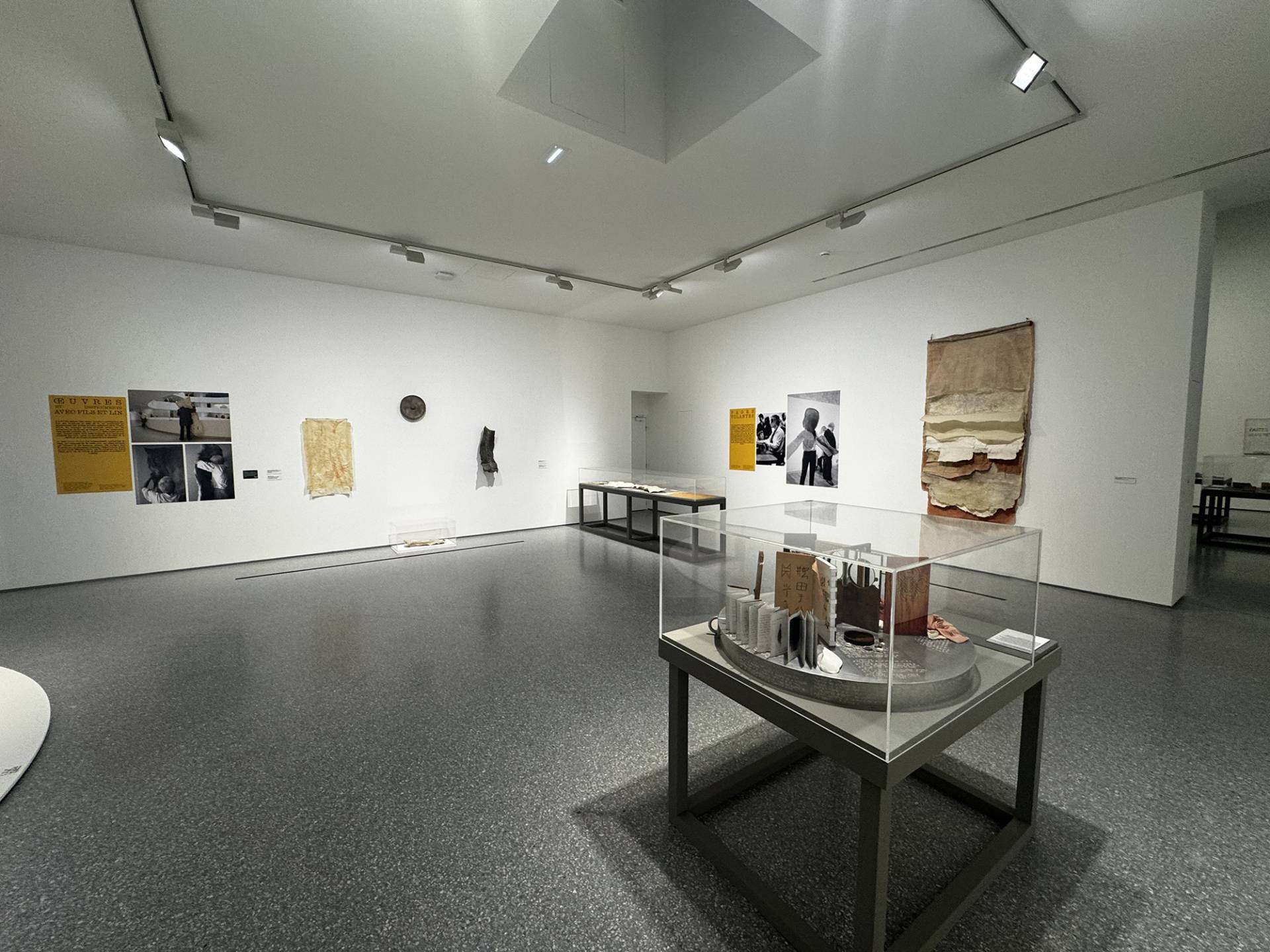
Alison Knowles: Une Rétrospective, Musée d’art moderne et contemporain (MAMC), Saint-Étienne, France
November 8, 2025 – March 15, 2026
MAMC team: Alexandre Quoi, deputy director/chief curator, and Marine Massicot and Lucas Gascar, exhibition coordinators
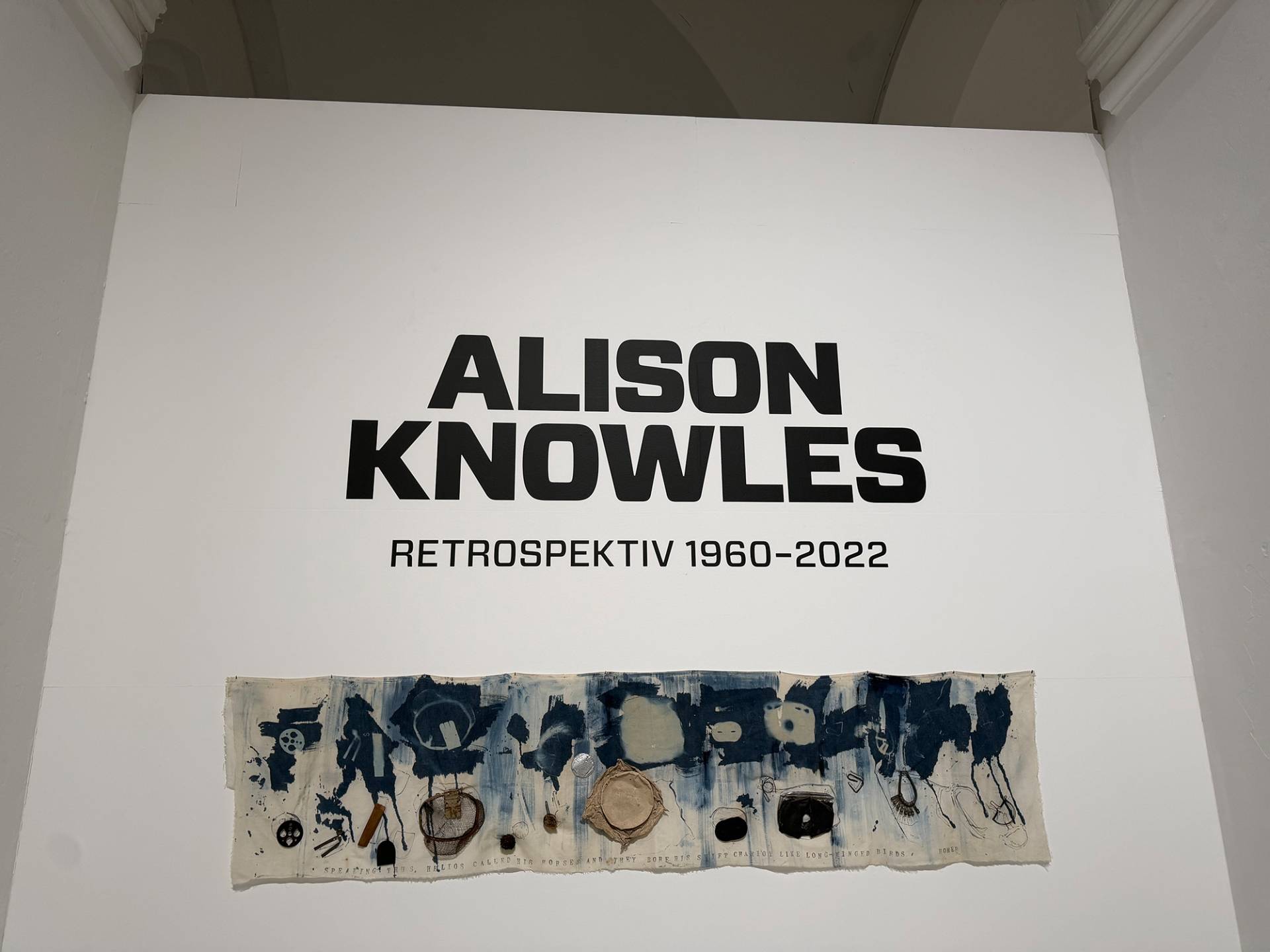
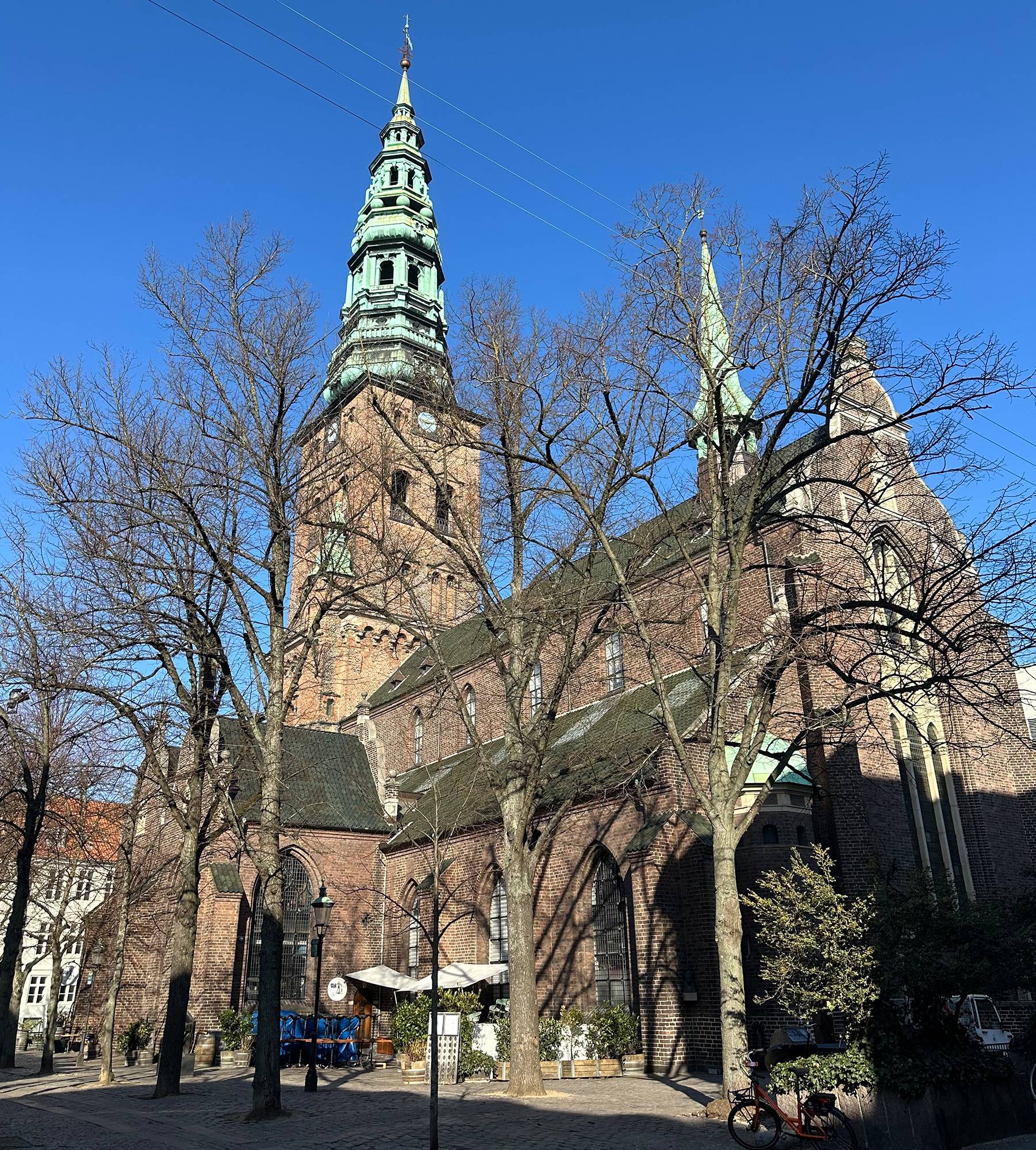
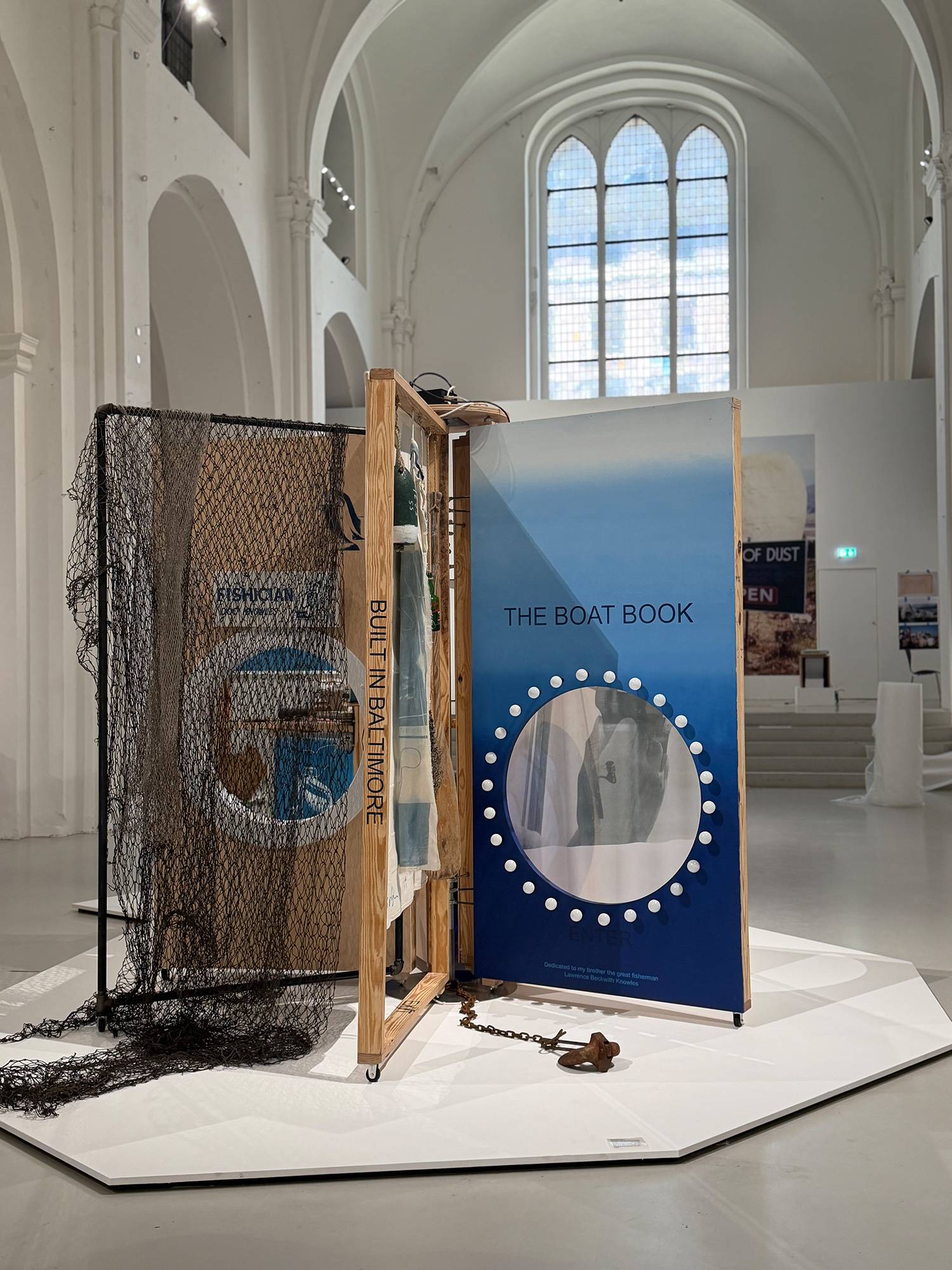
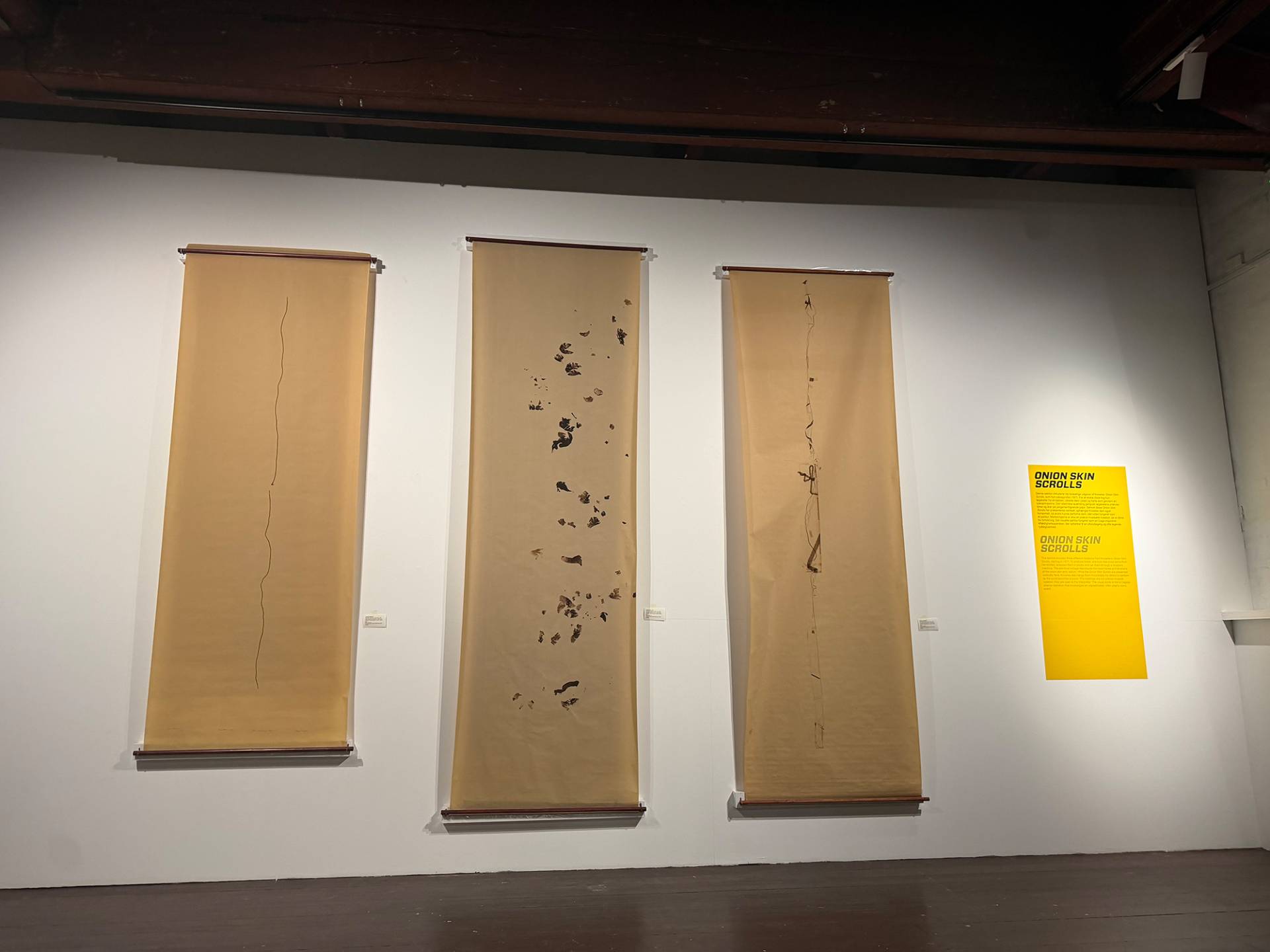
Alison Knowles Retrospective 1960–2022, Nikolaj Kunsthal, Copenhagen, Denmark
April 25 – July 26, 2026
Nikolaj team: Aukje Lepoutre Ravn, artistic director, and Maja Krebs Sørensen, head of exhibitions and public programs
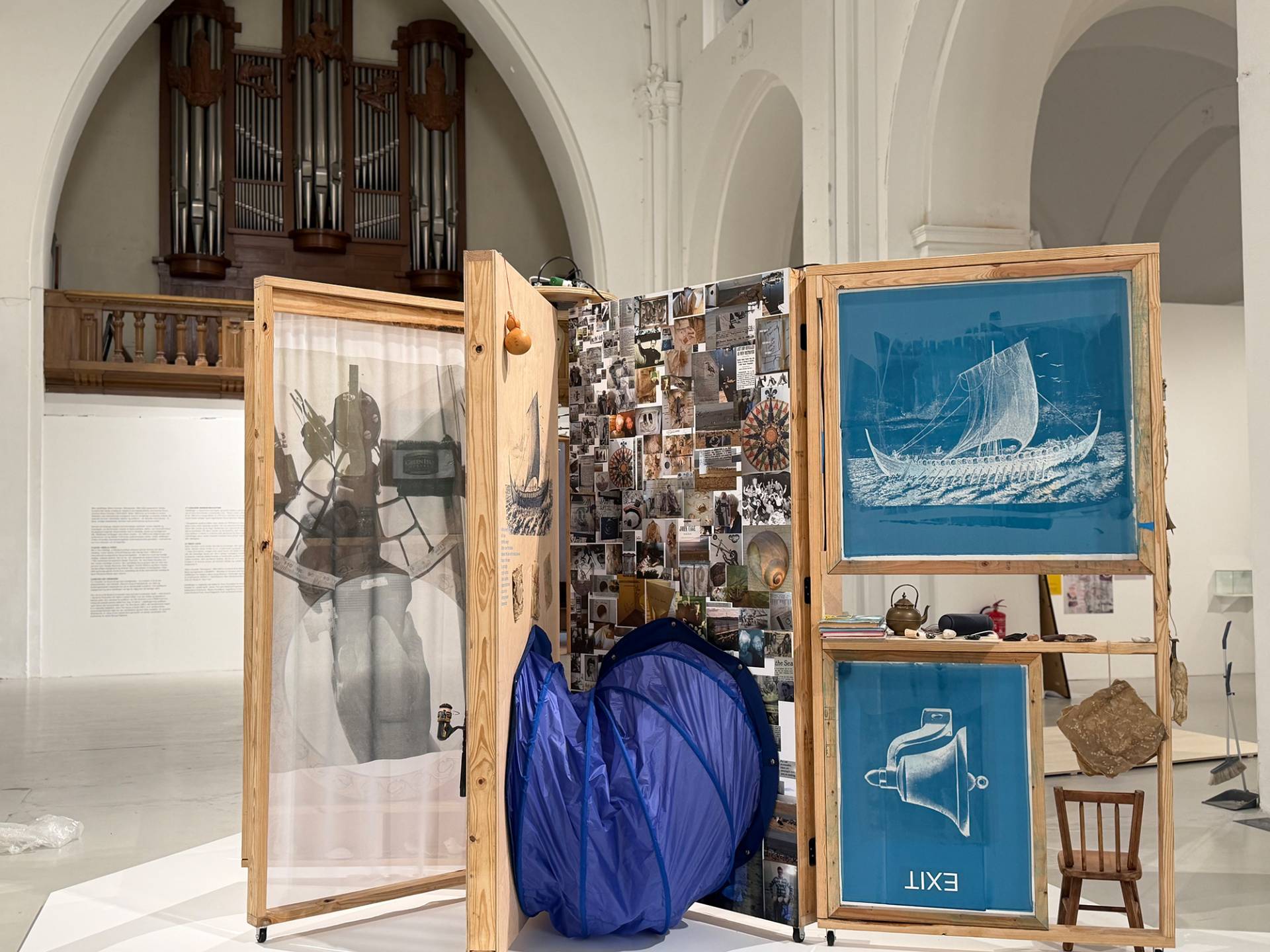
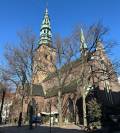
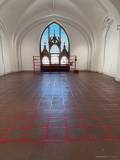
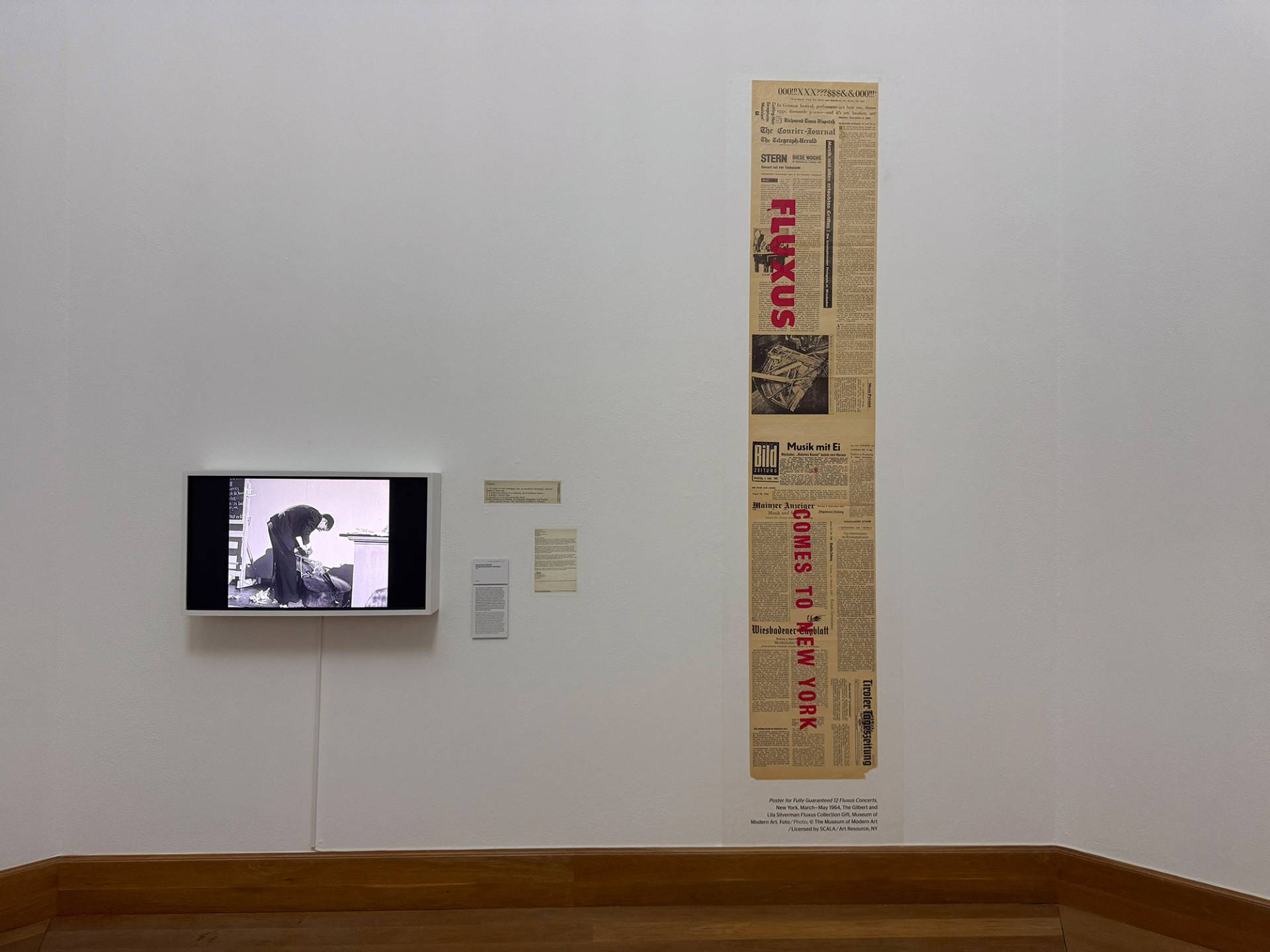
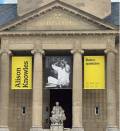
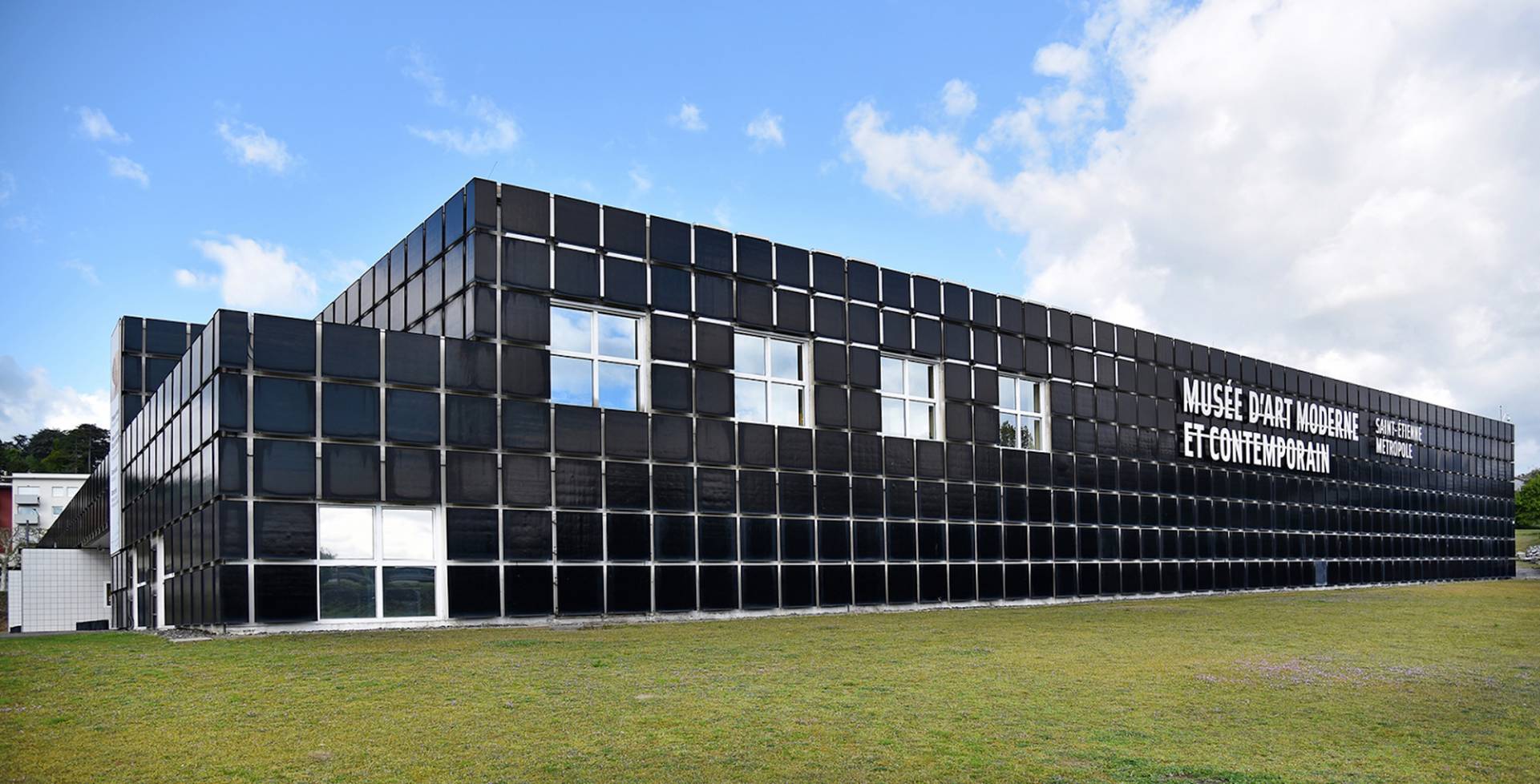
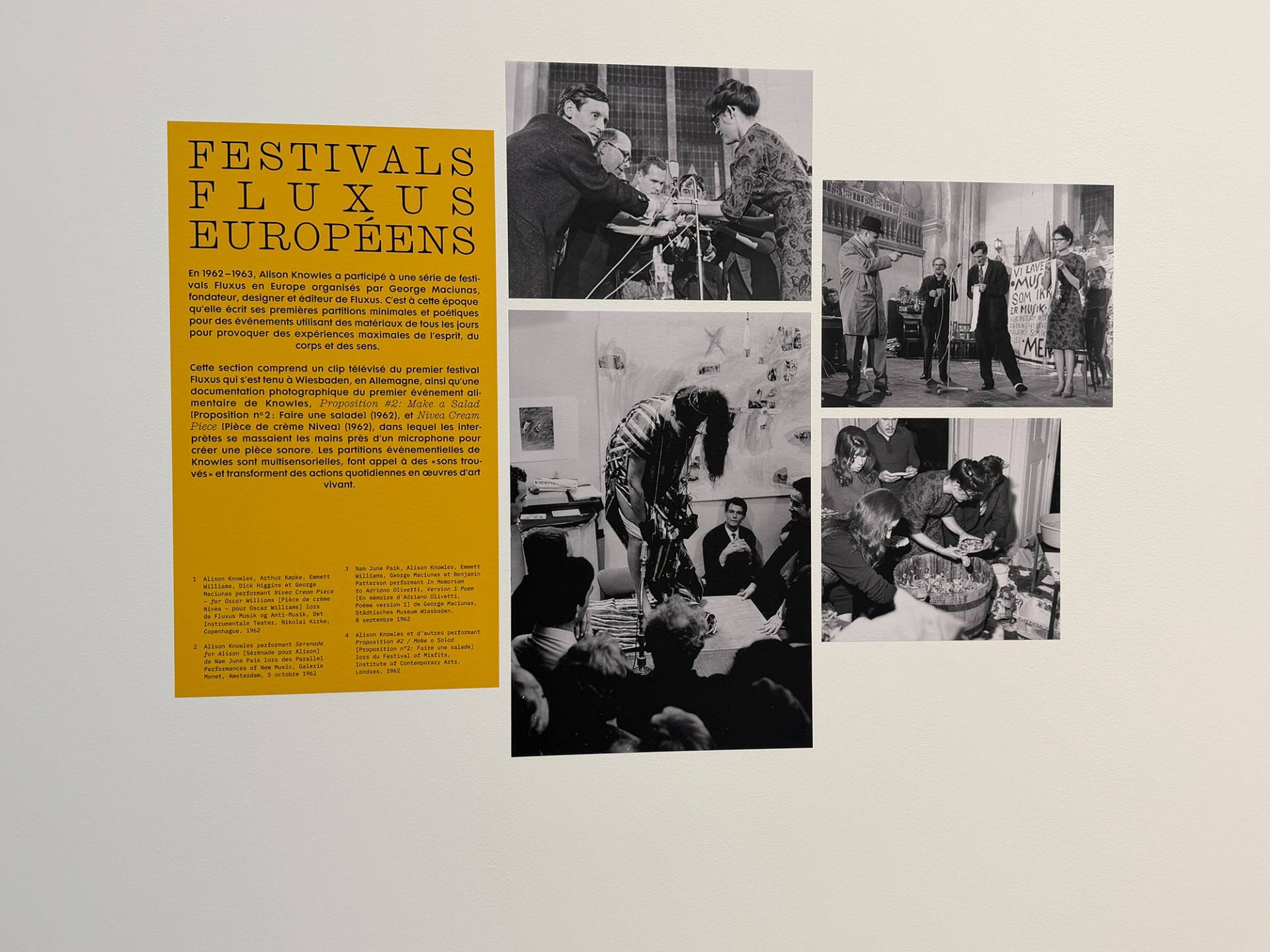
The first venue on the European tour, the Museum Wiesbaden, is a classical structure built between 1913 and 1915 as both a natural history and art museum. This museum hosted the first Fluxus Internationale Festival of New Music in September 1962, which is why Wiesbaden is considered the “birthplace” of Fluxus, and it was appropriately the lead venue in Europe. The Musée d’art moderne et contemporain in Saint-Étienne, near Lyon, is a contemporary museum of art and design and the second-largest in France, both in terms of the size of its building and the scope of its collection, which includes many Fluxus works. The Nikolaj Kunsthal in central Copenhagen is a former stone mariner’s church originally constructed in the 13th century that became an art space in 1960, and also hosted one of the European Fluxus Festivals. While all of these venues have a relationship to Fluxus, they are vastly different art spaces.
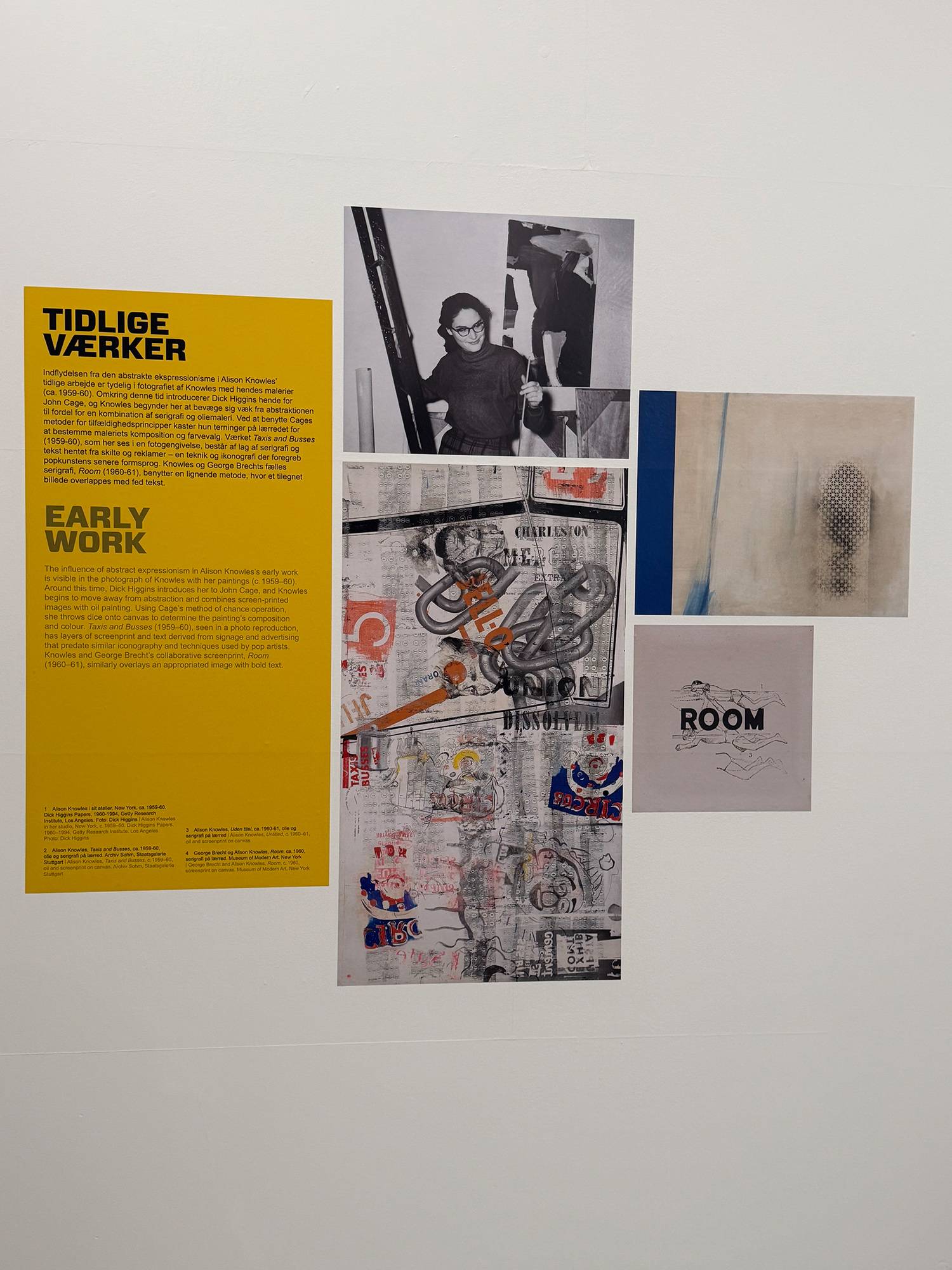
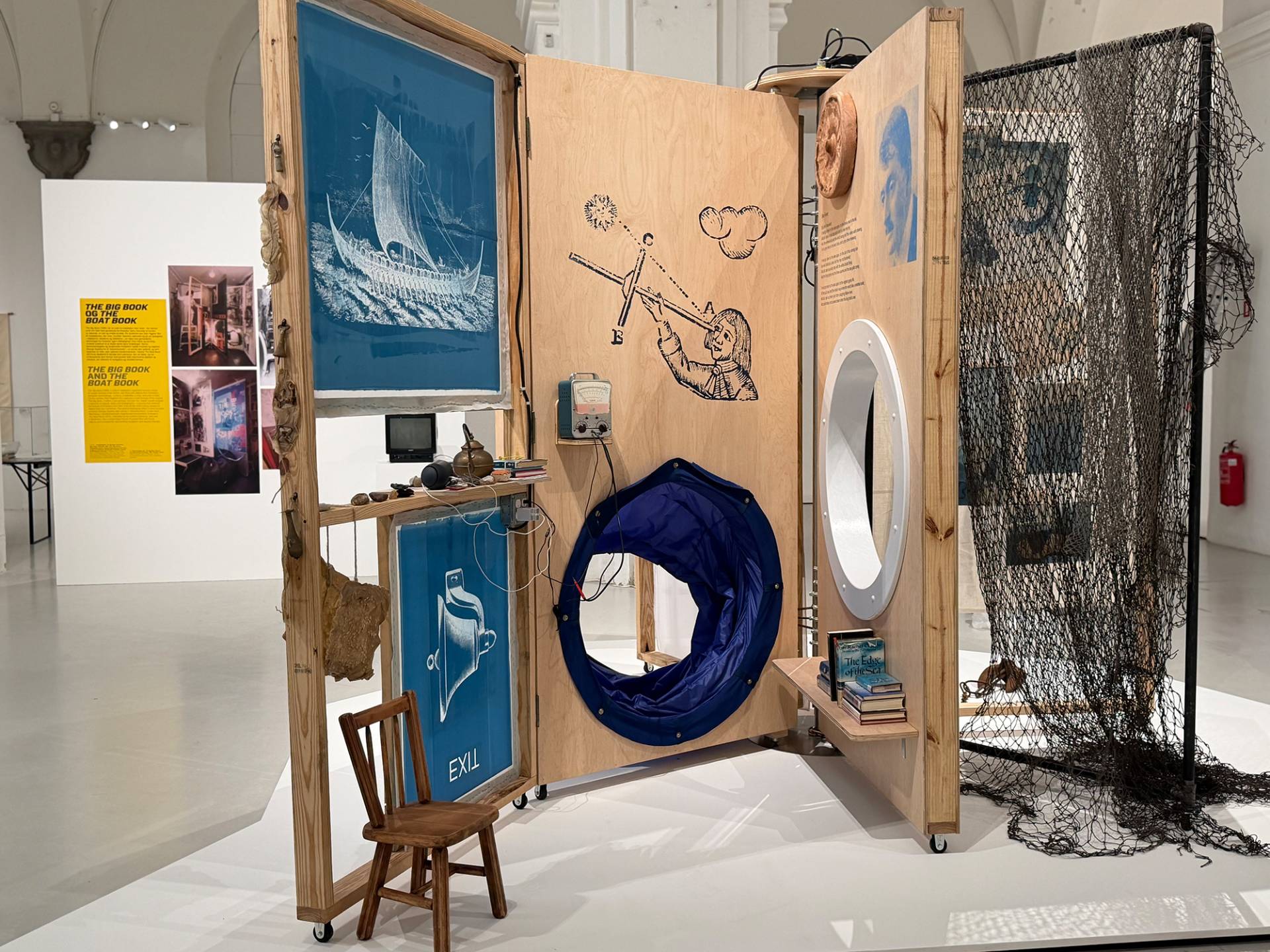
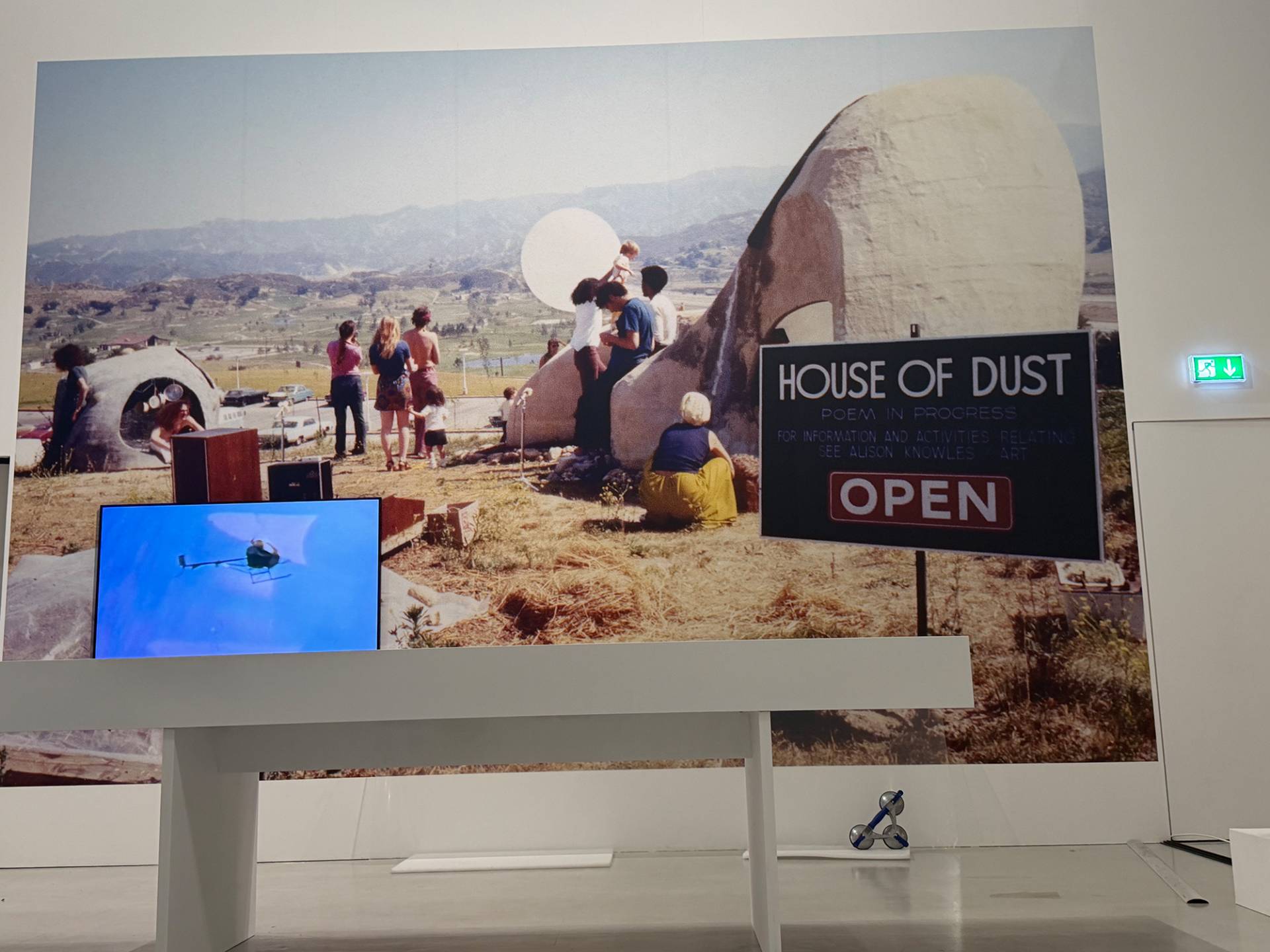
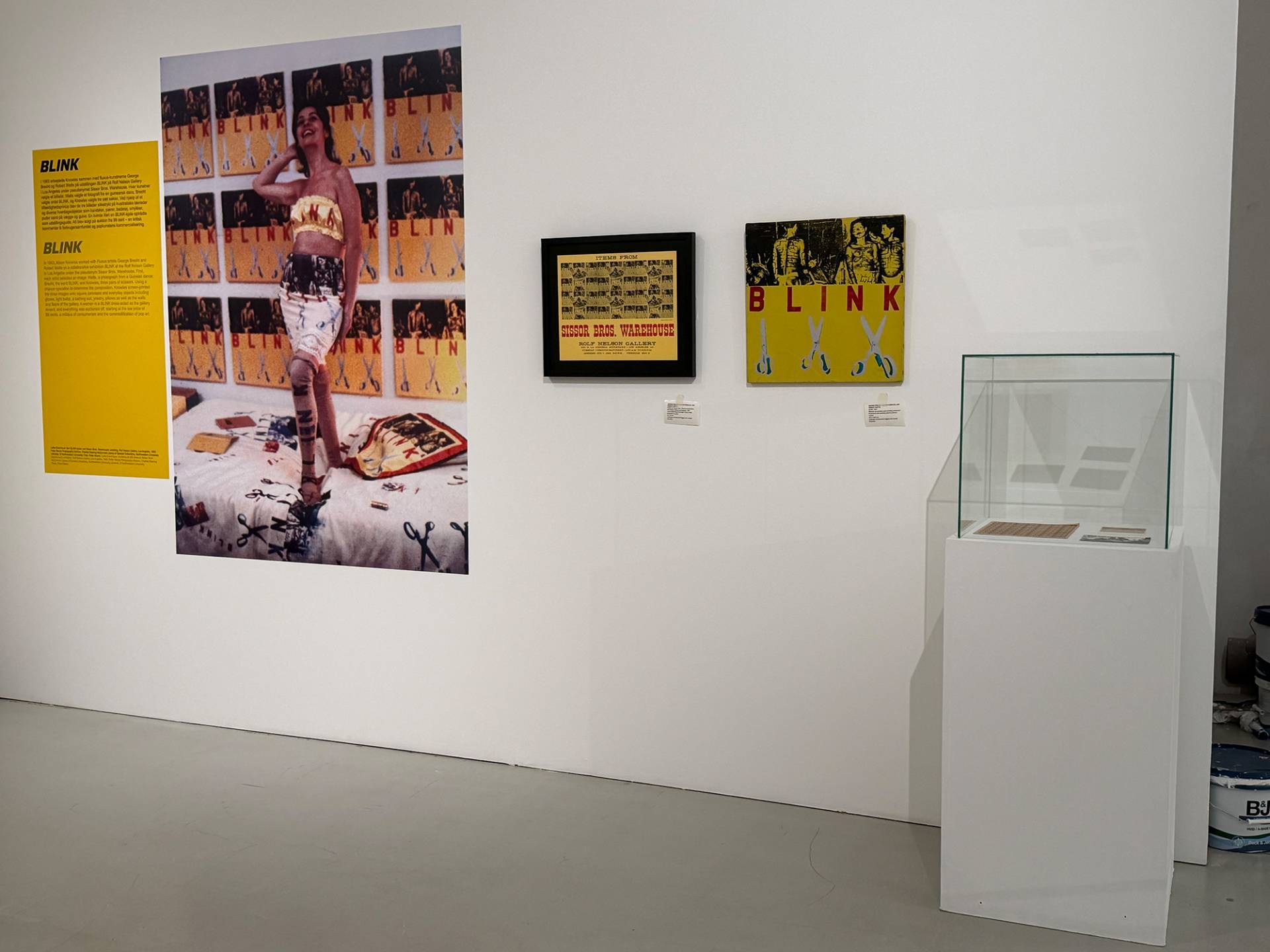
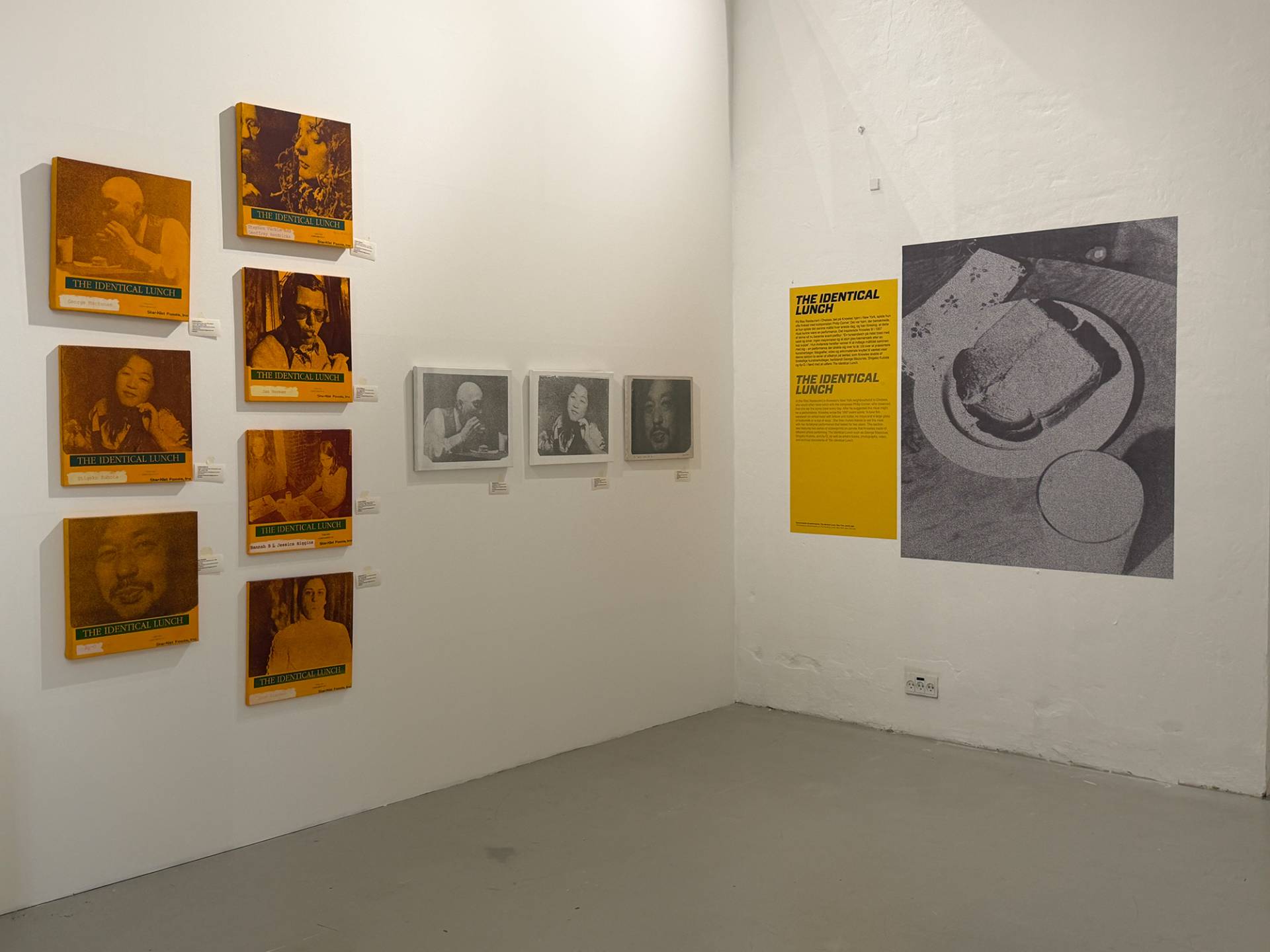
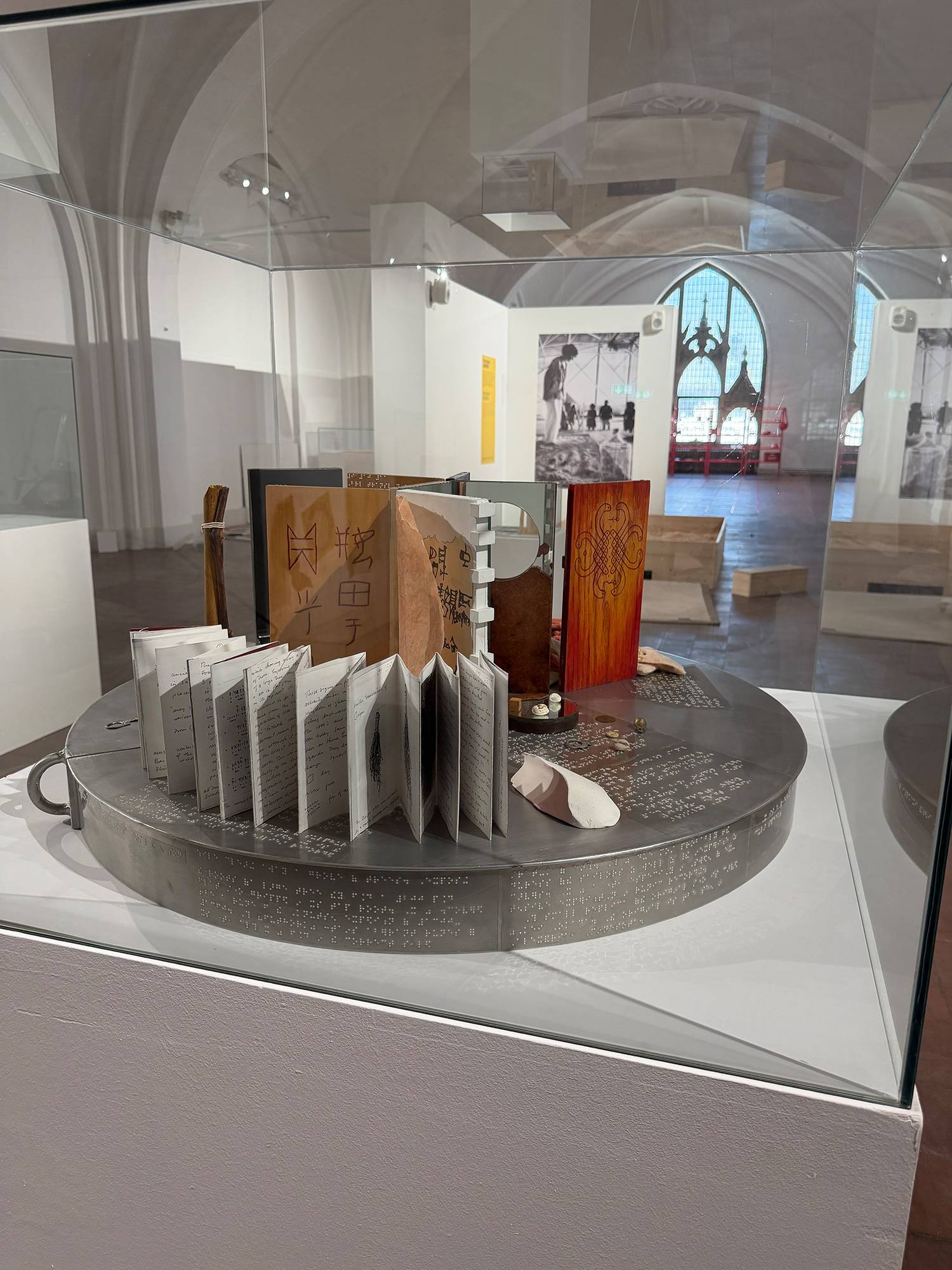
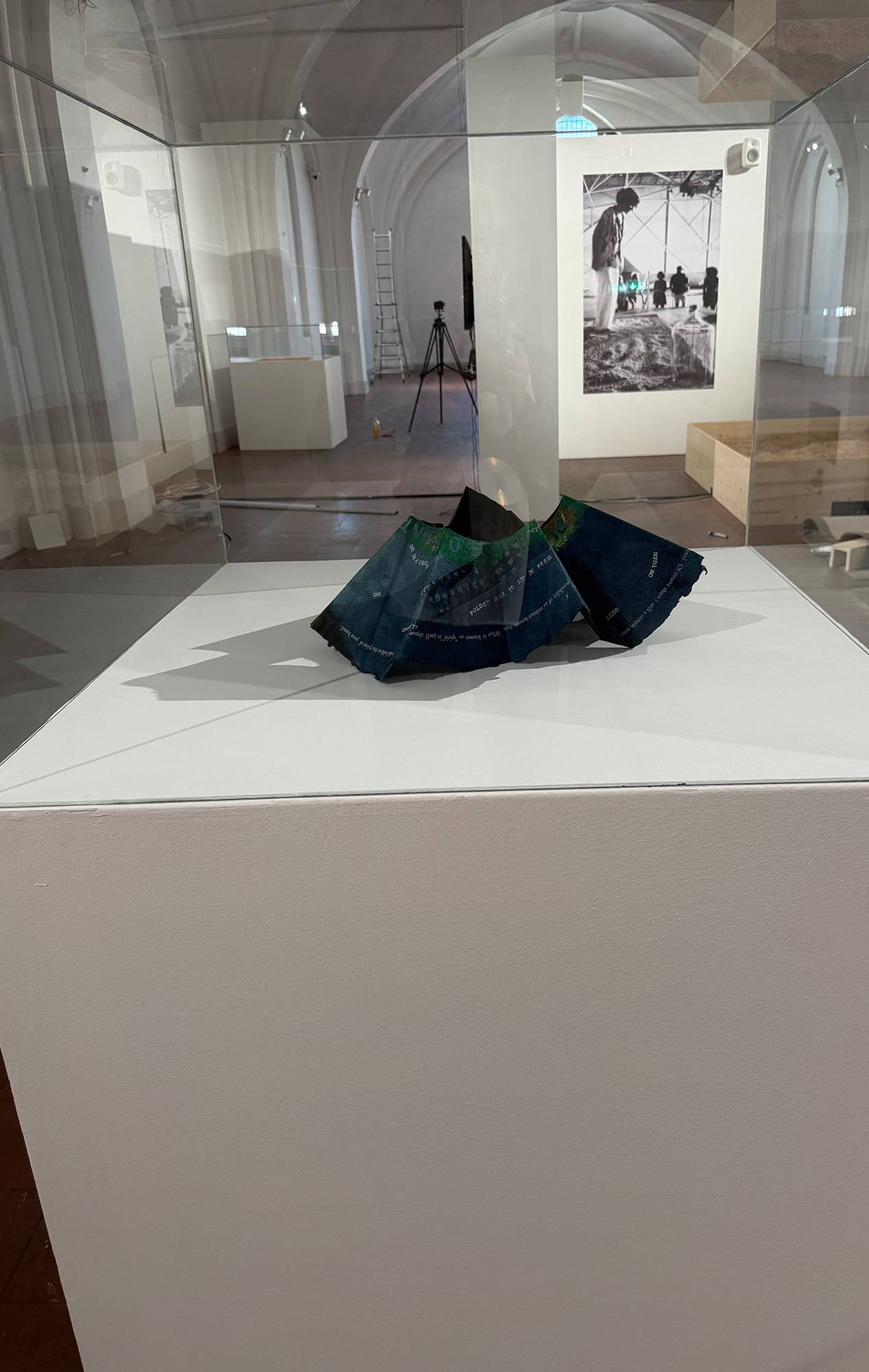
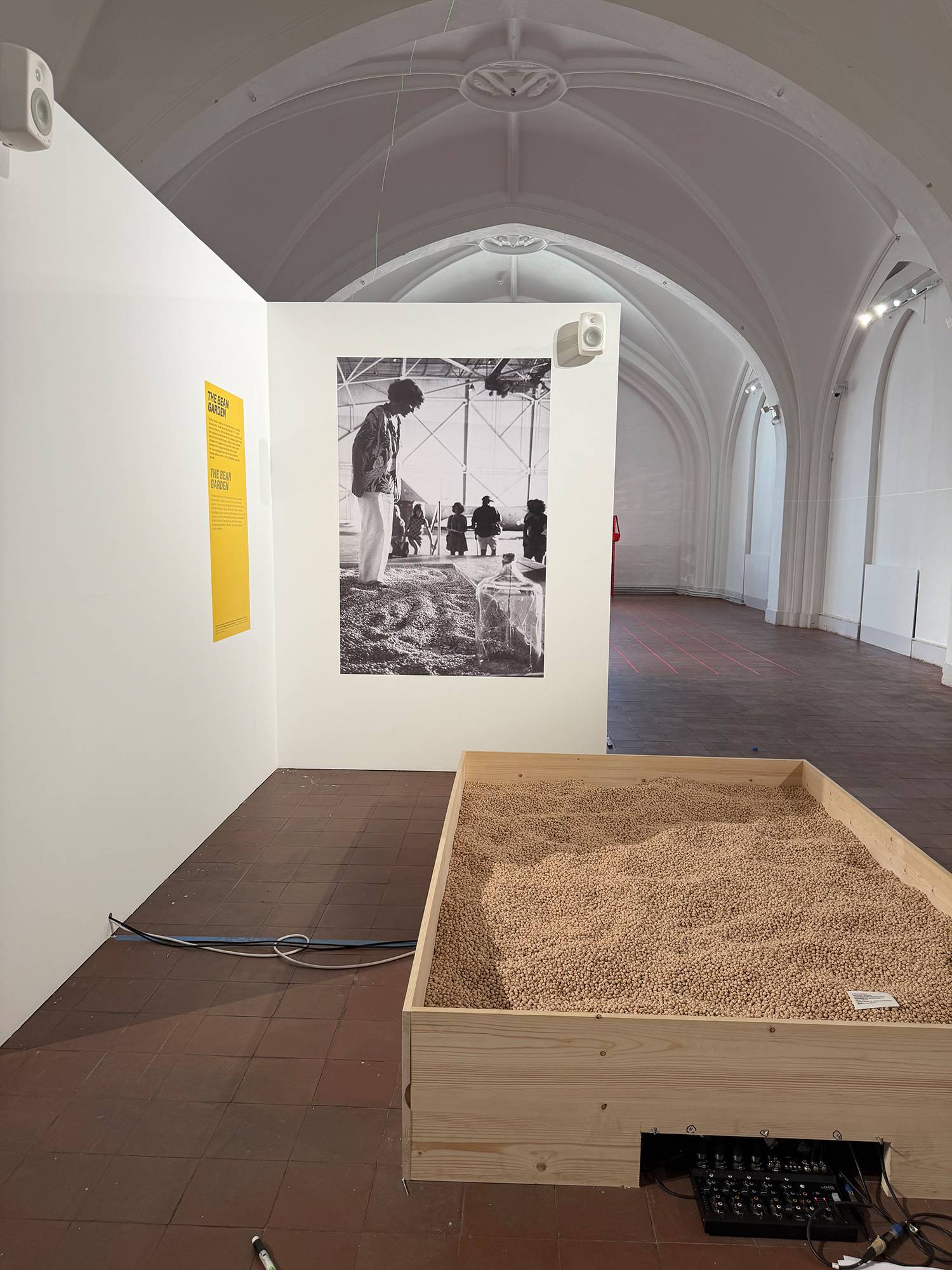
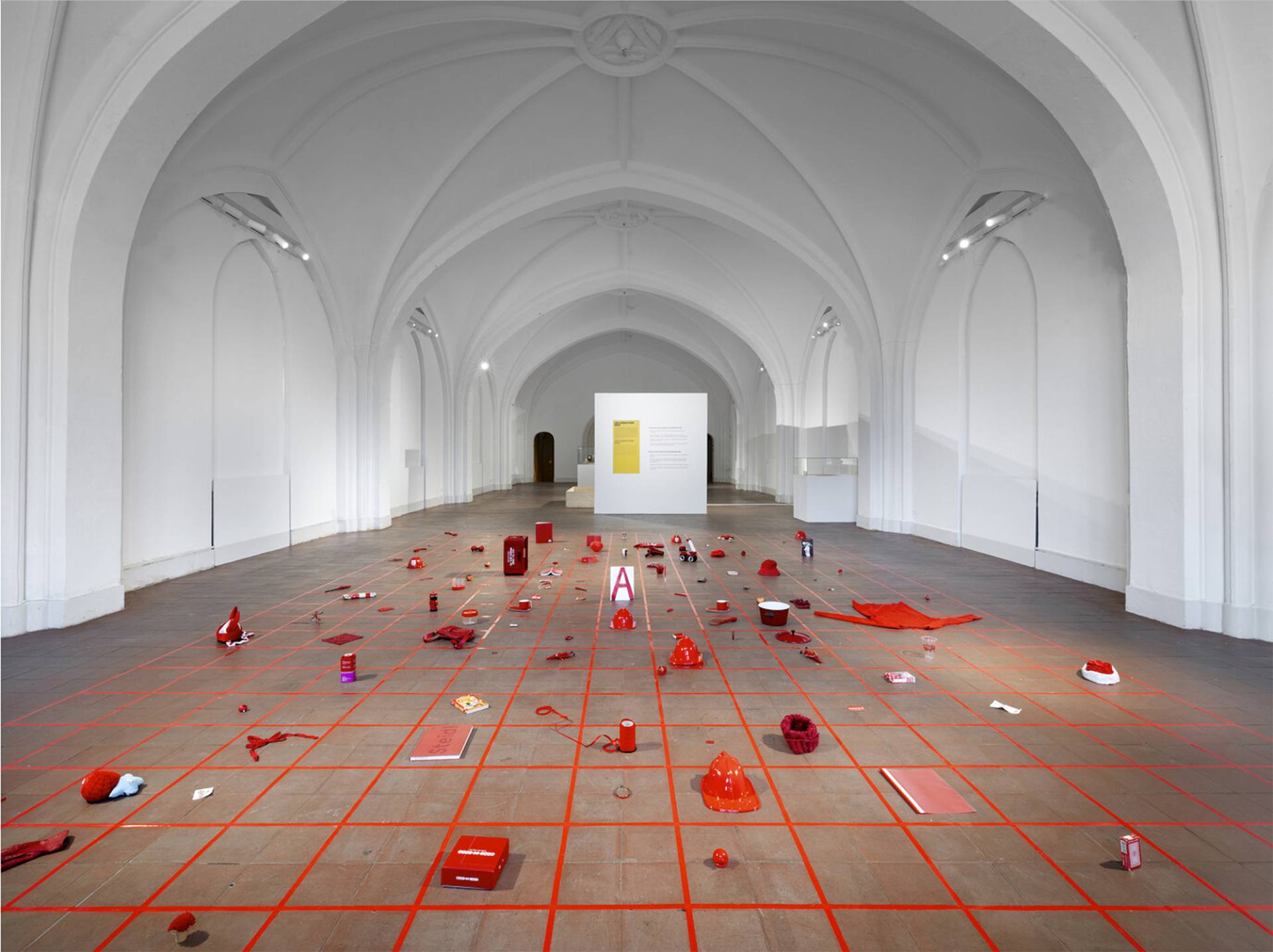
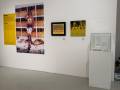
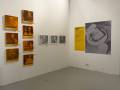
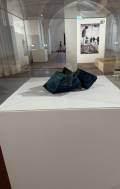
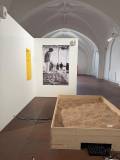
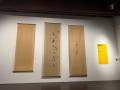
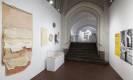
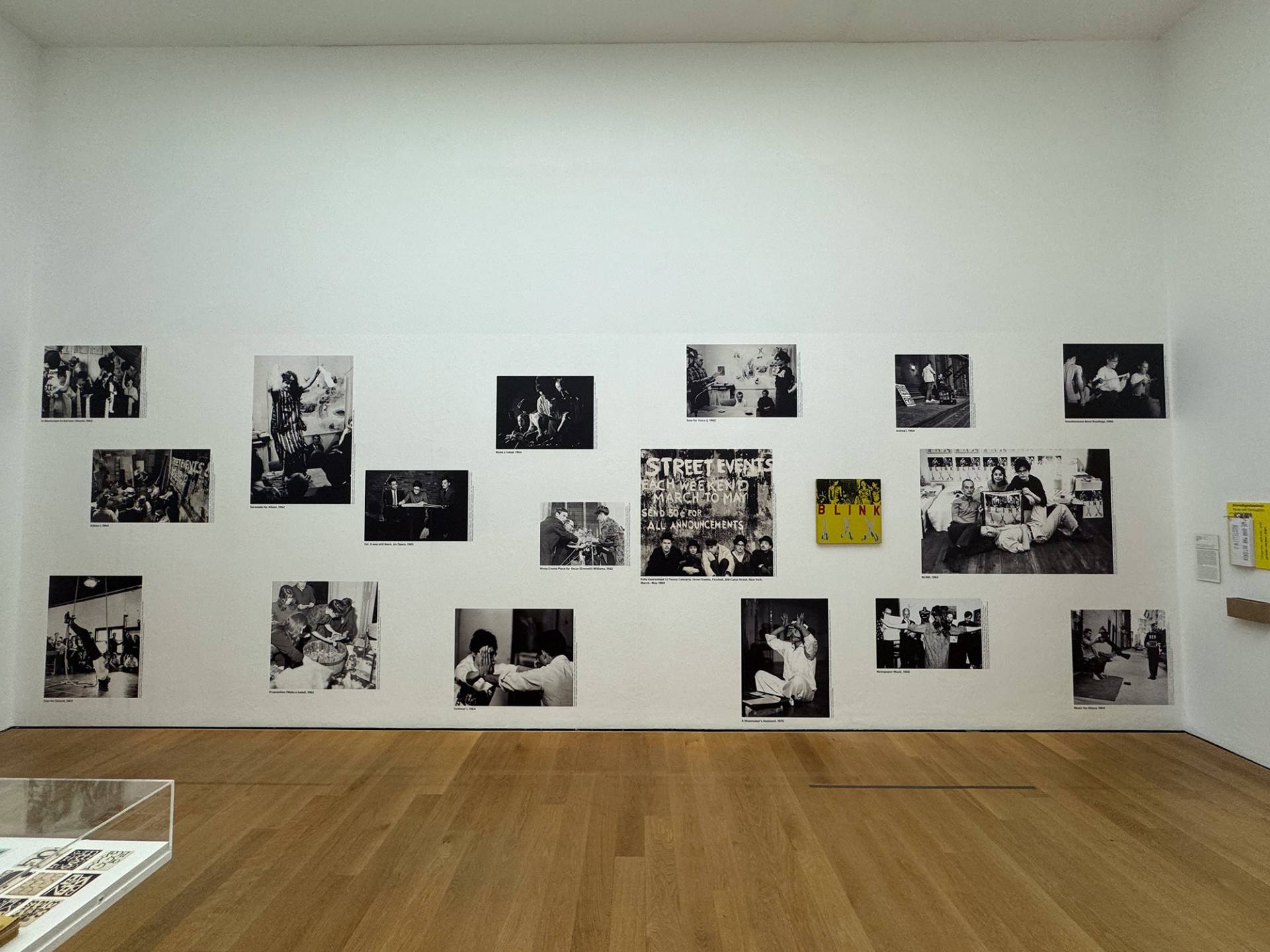
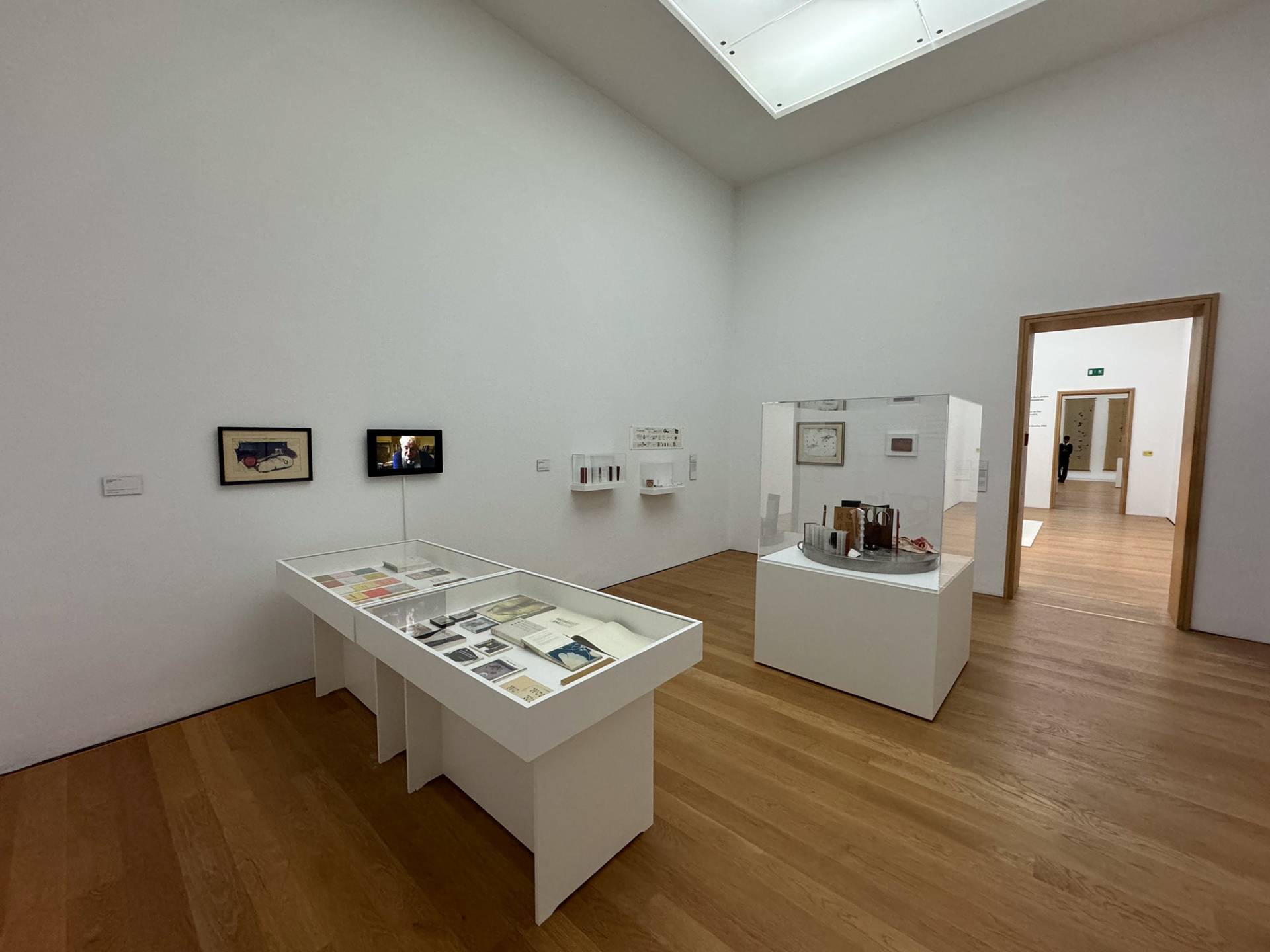
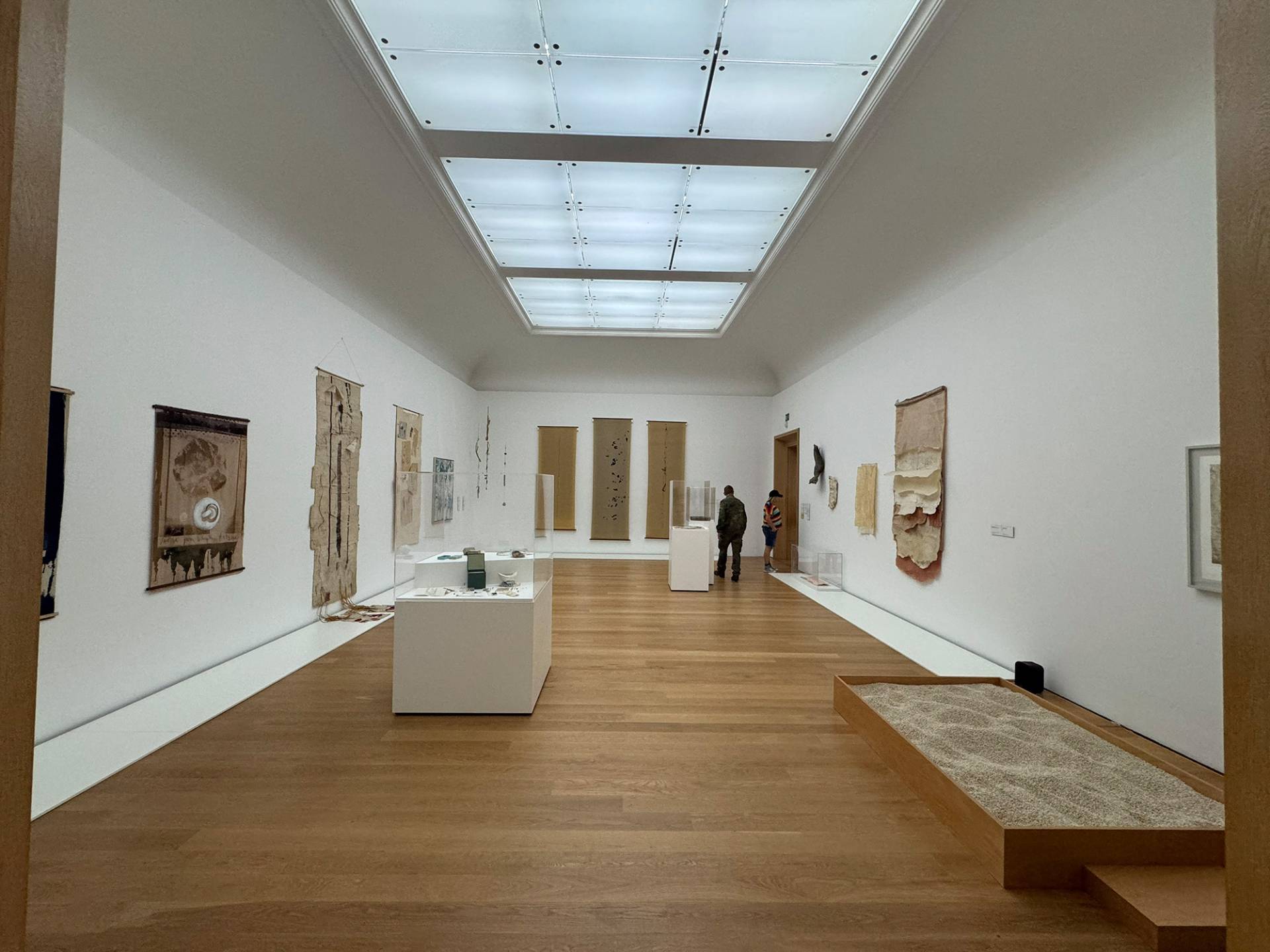
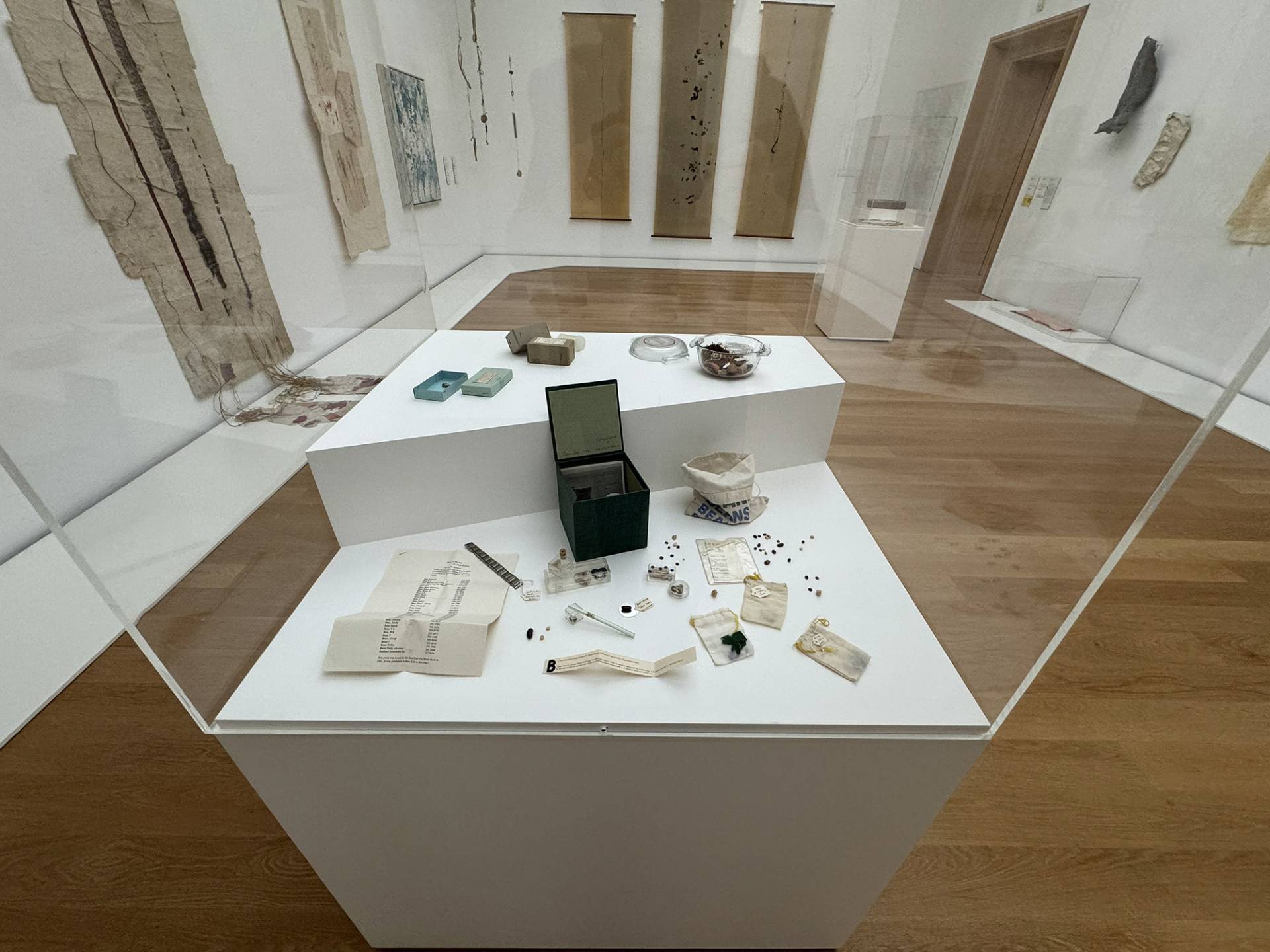
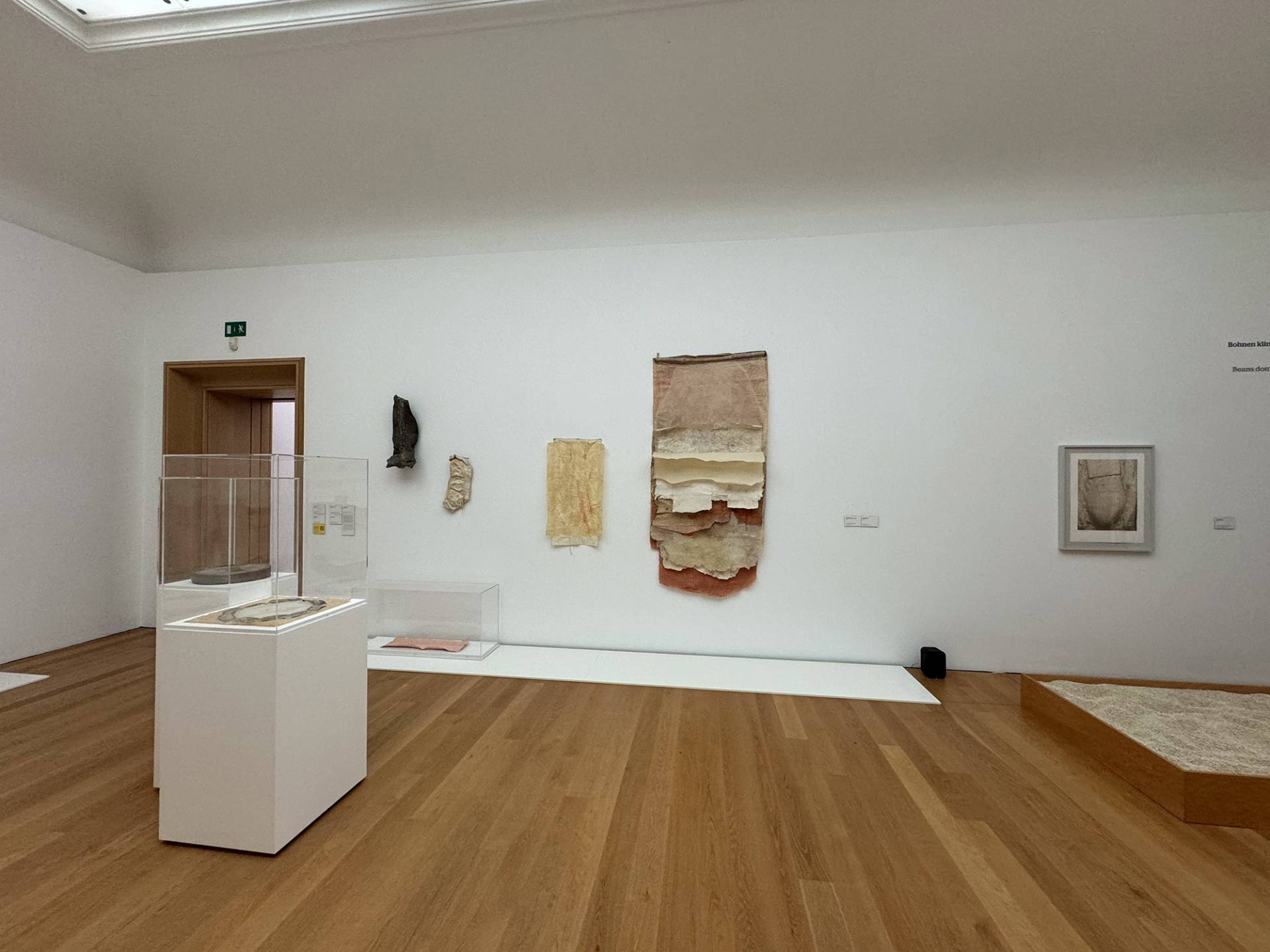
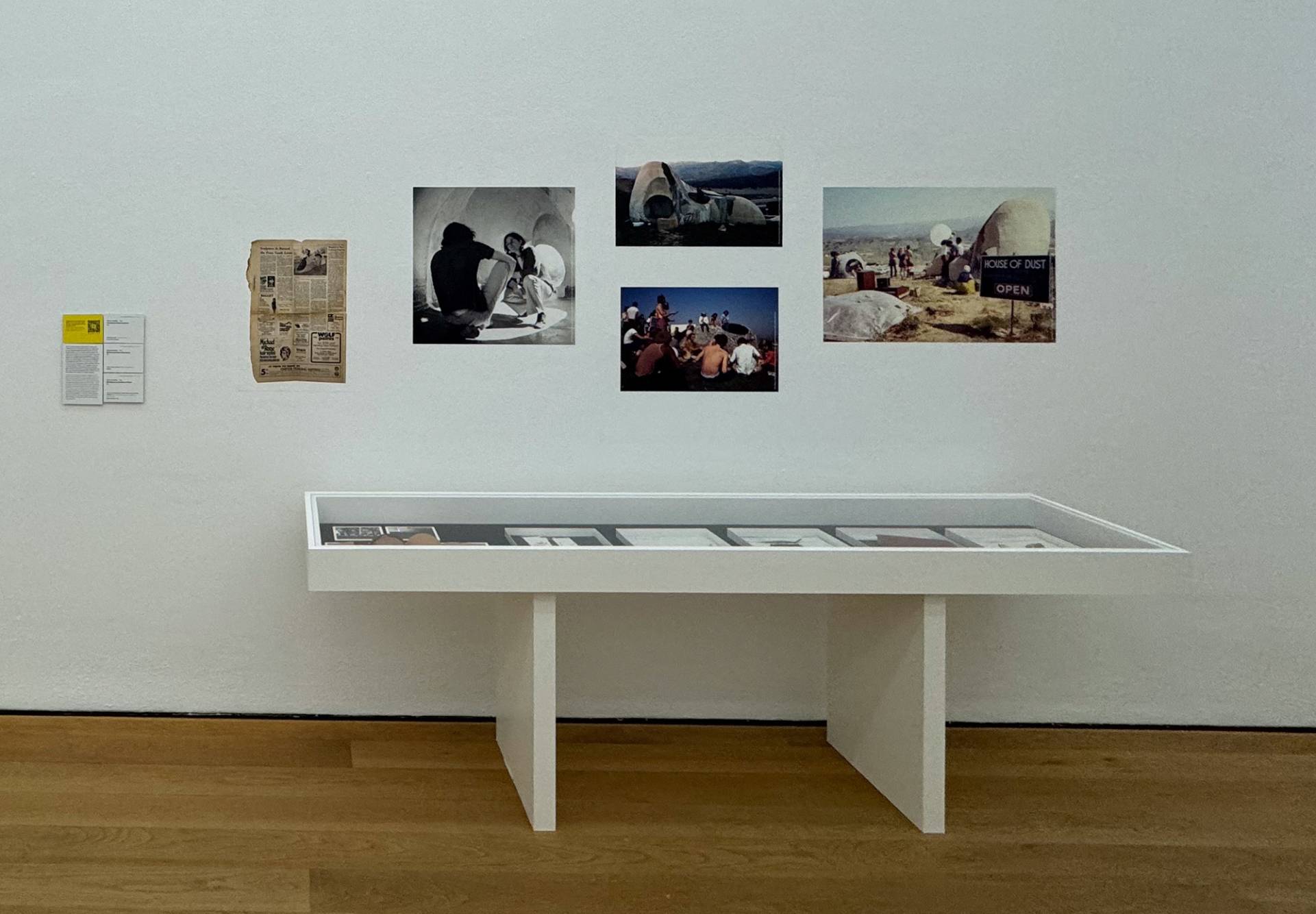
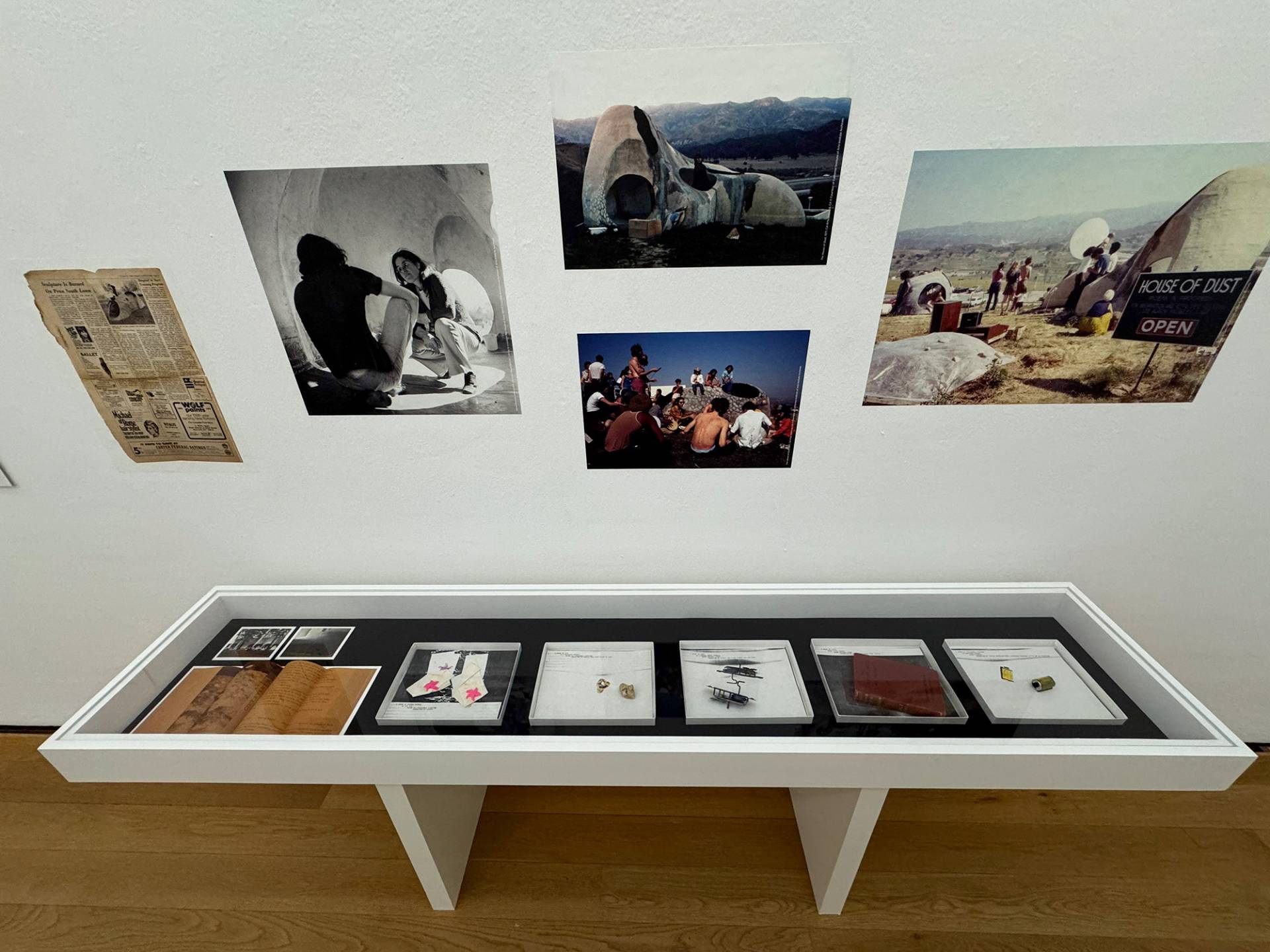
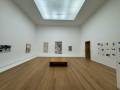
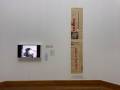
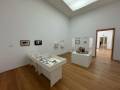
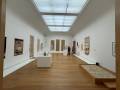
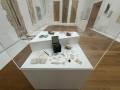
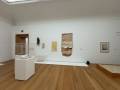
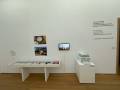
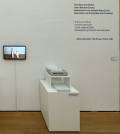
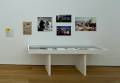
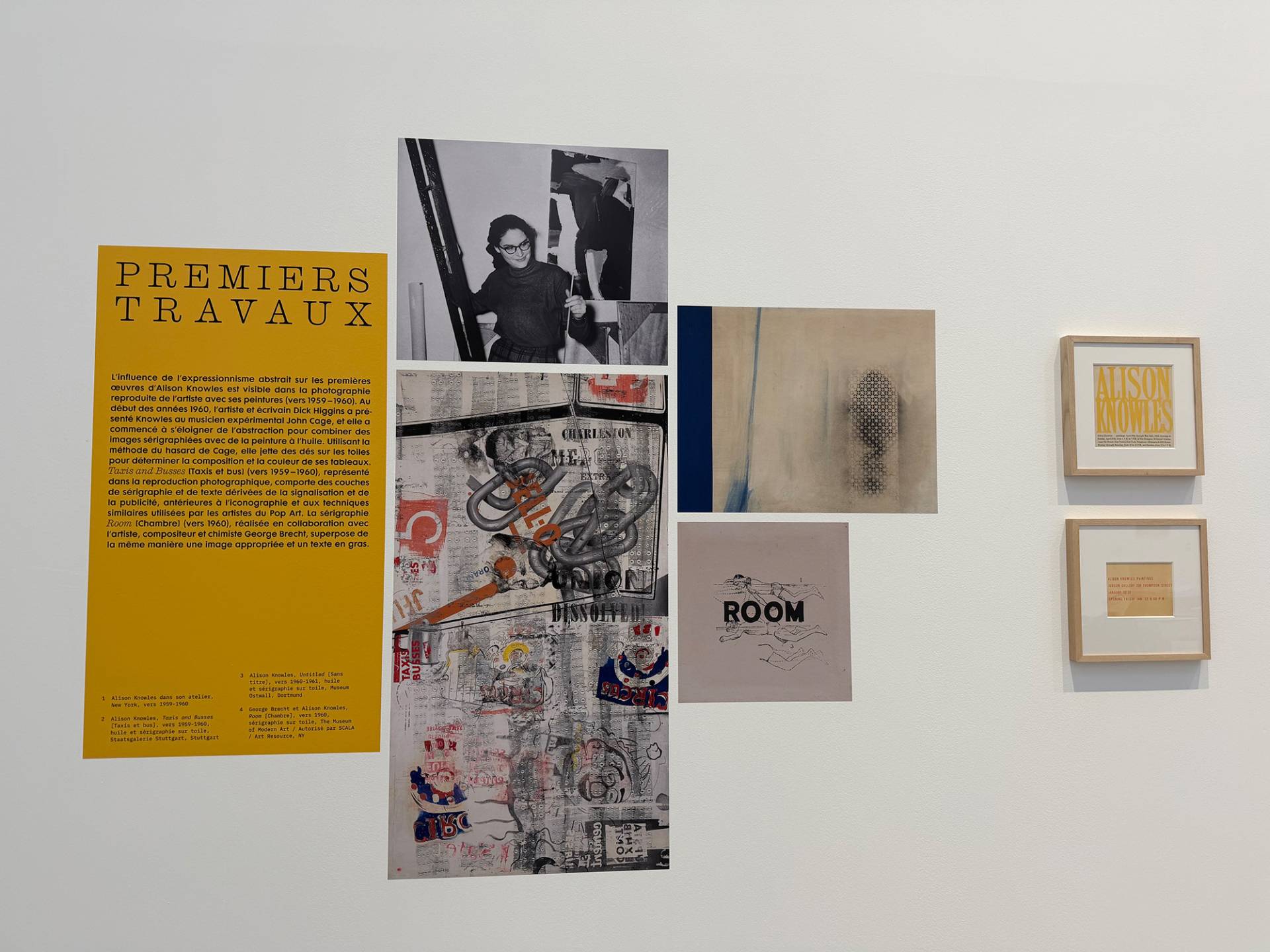
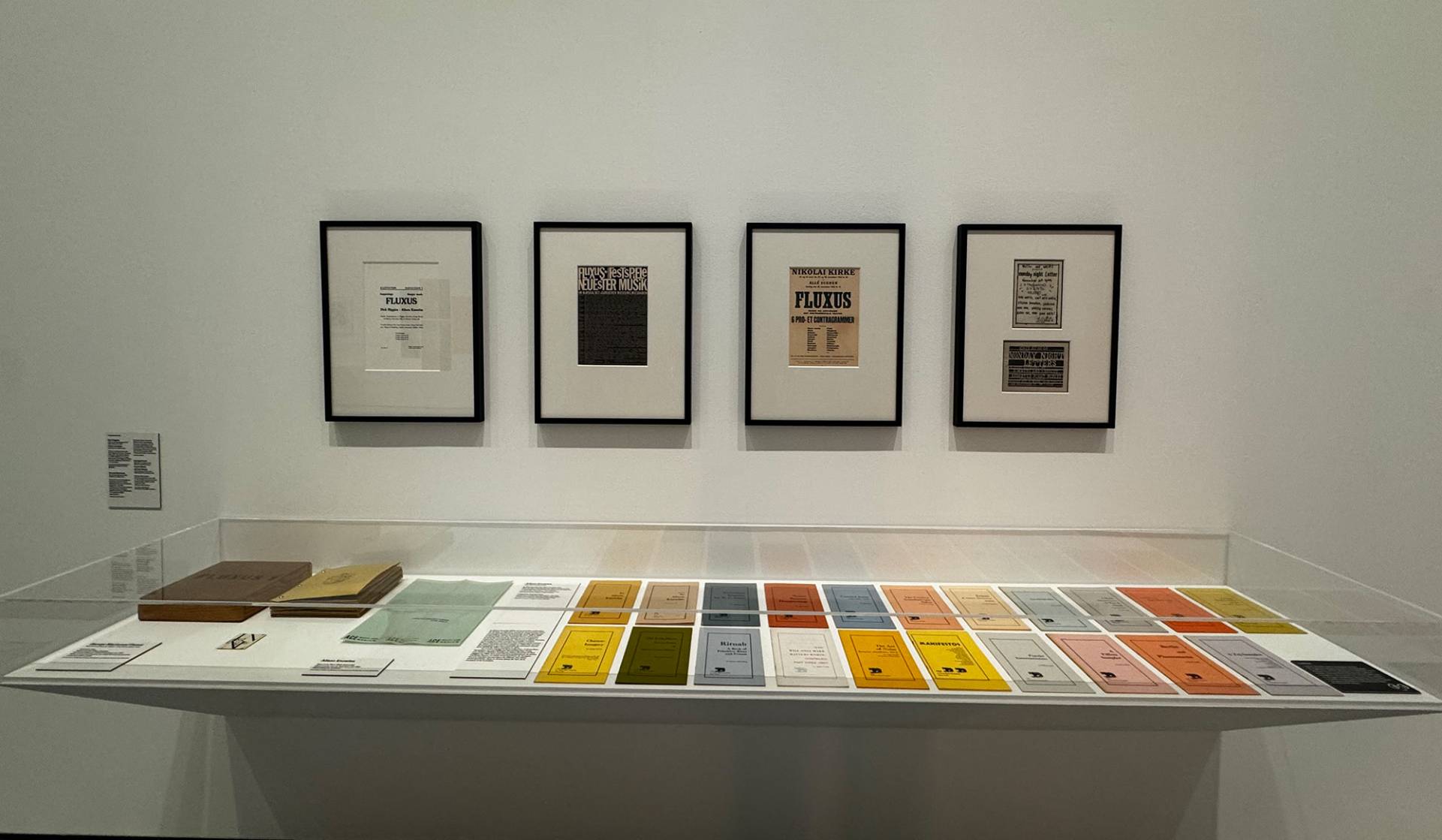
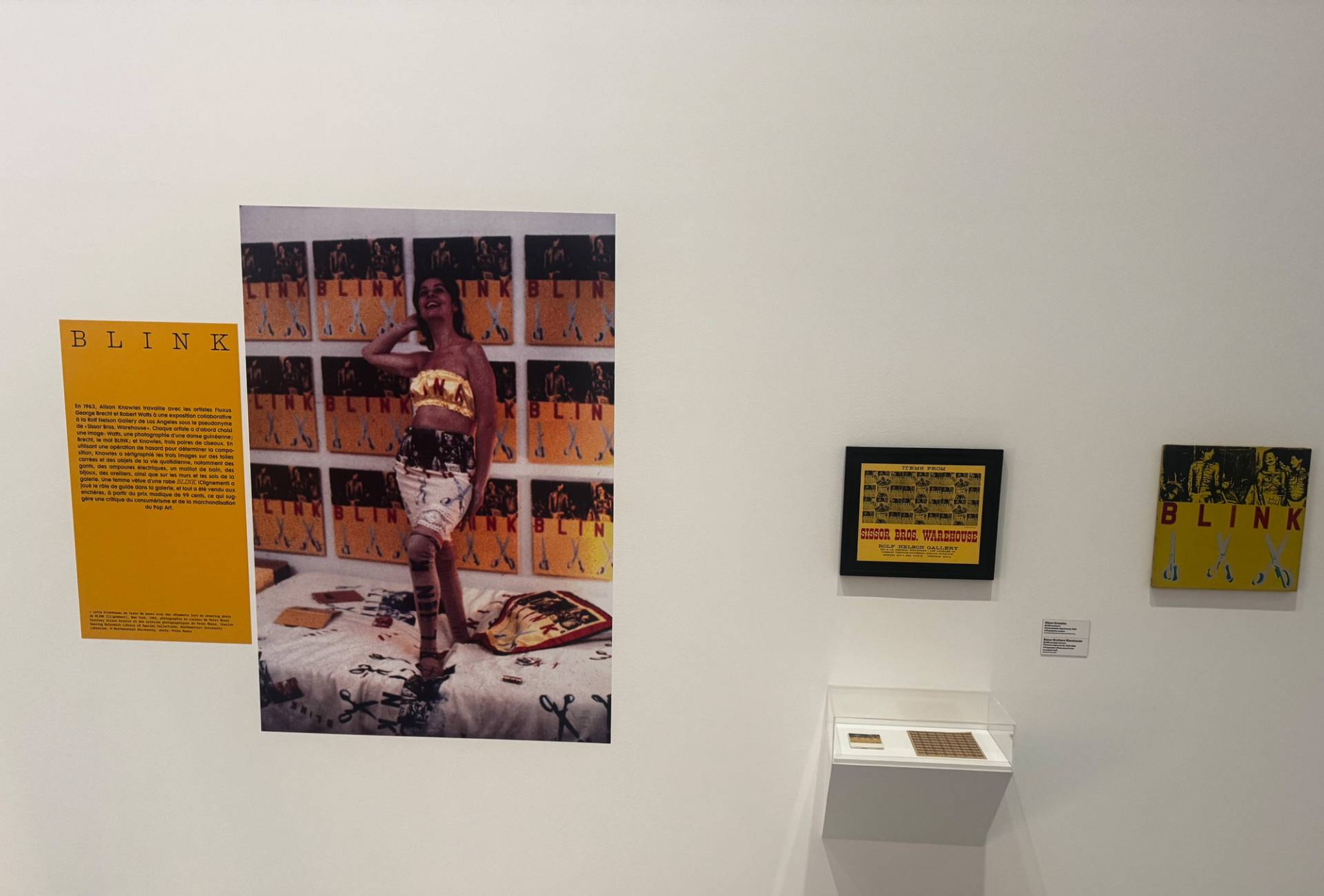
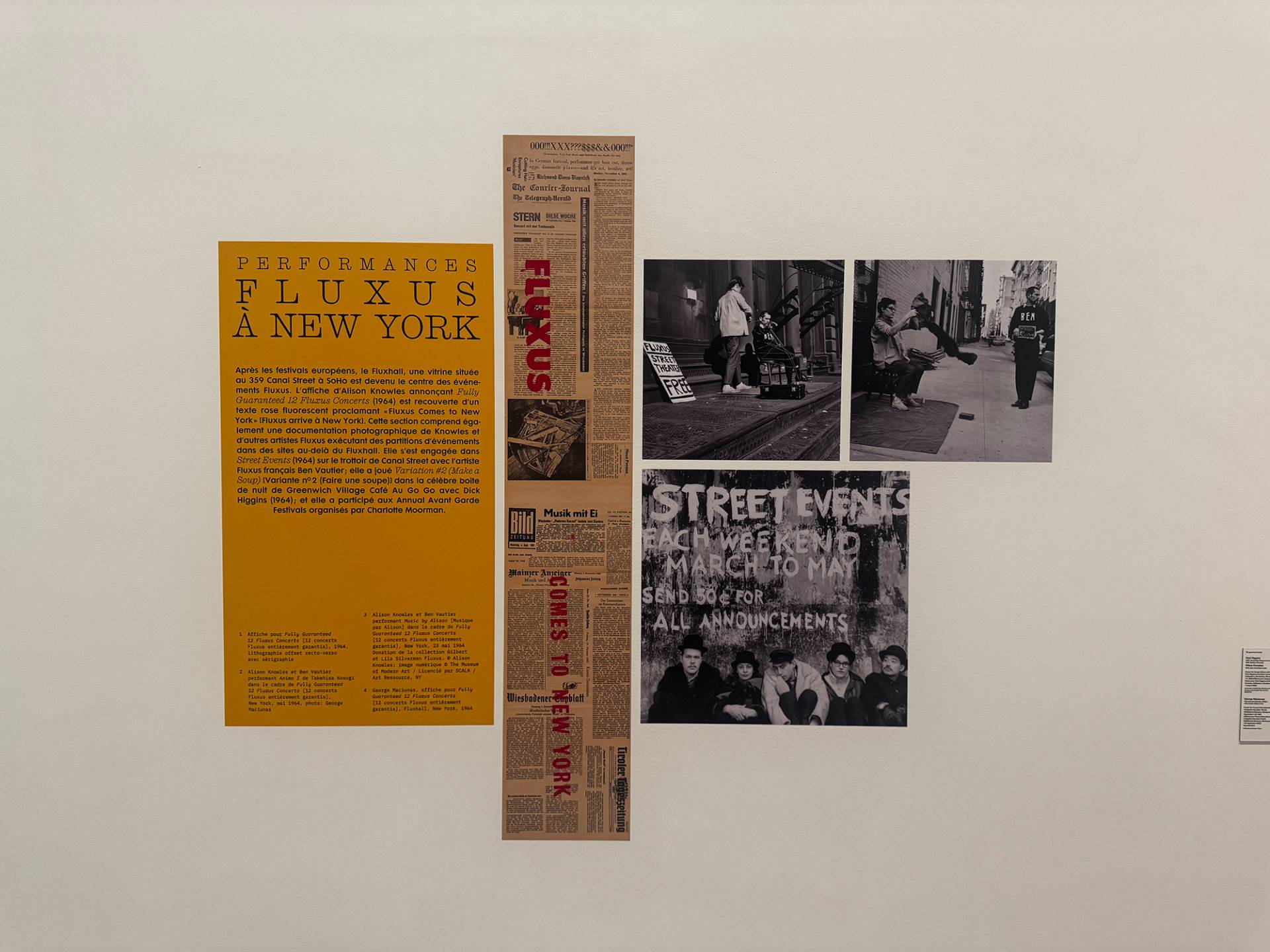
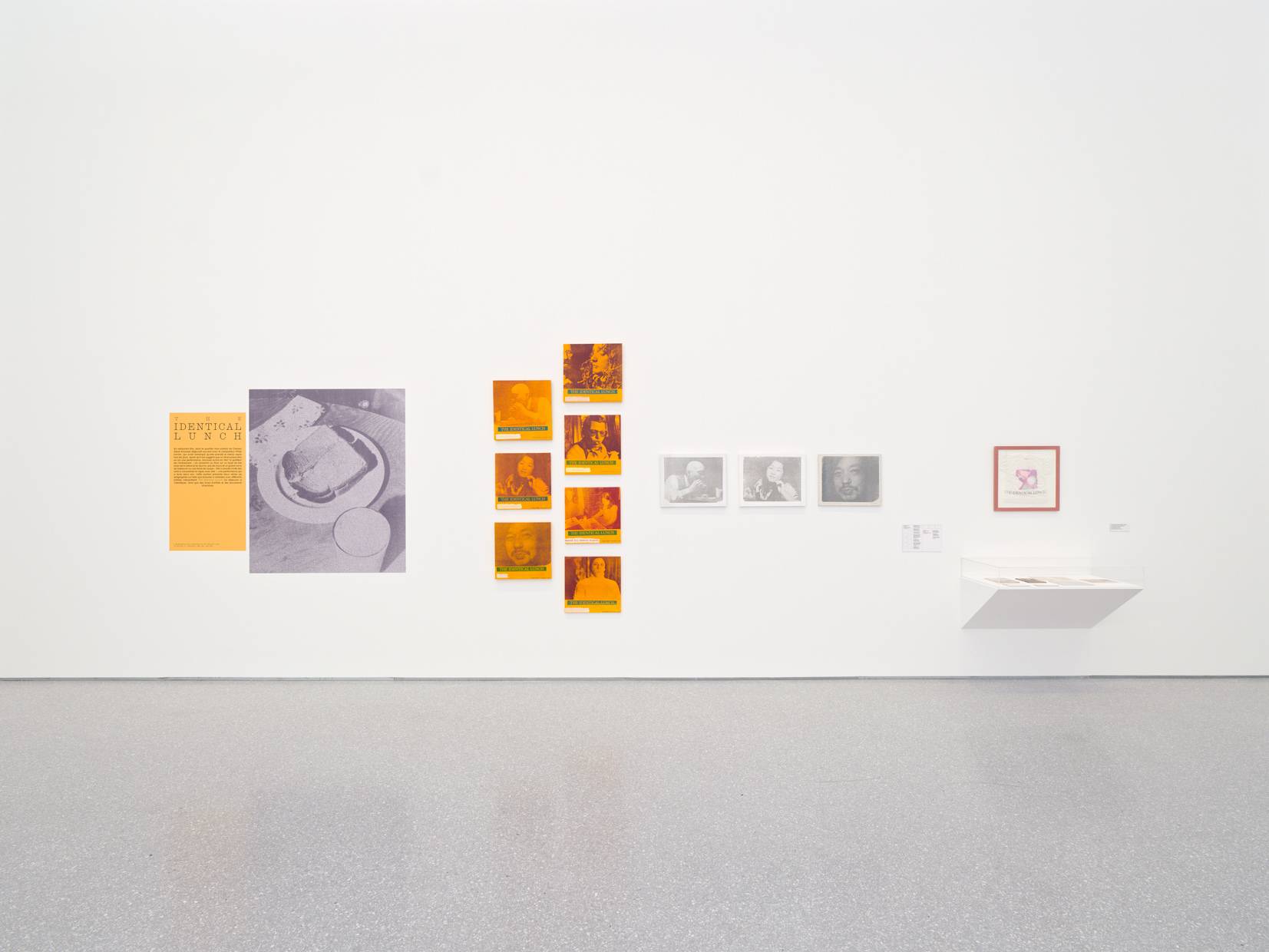
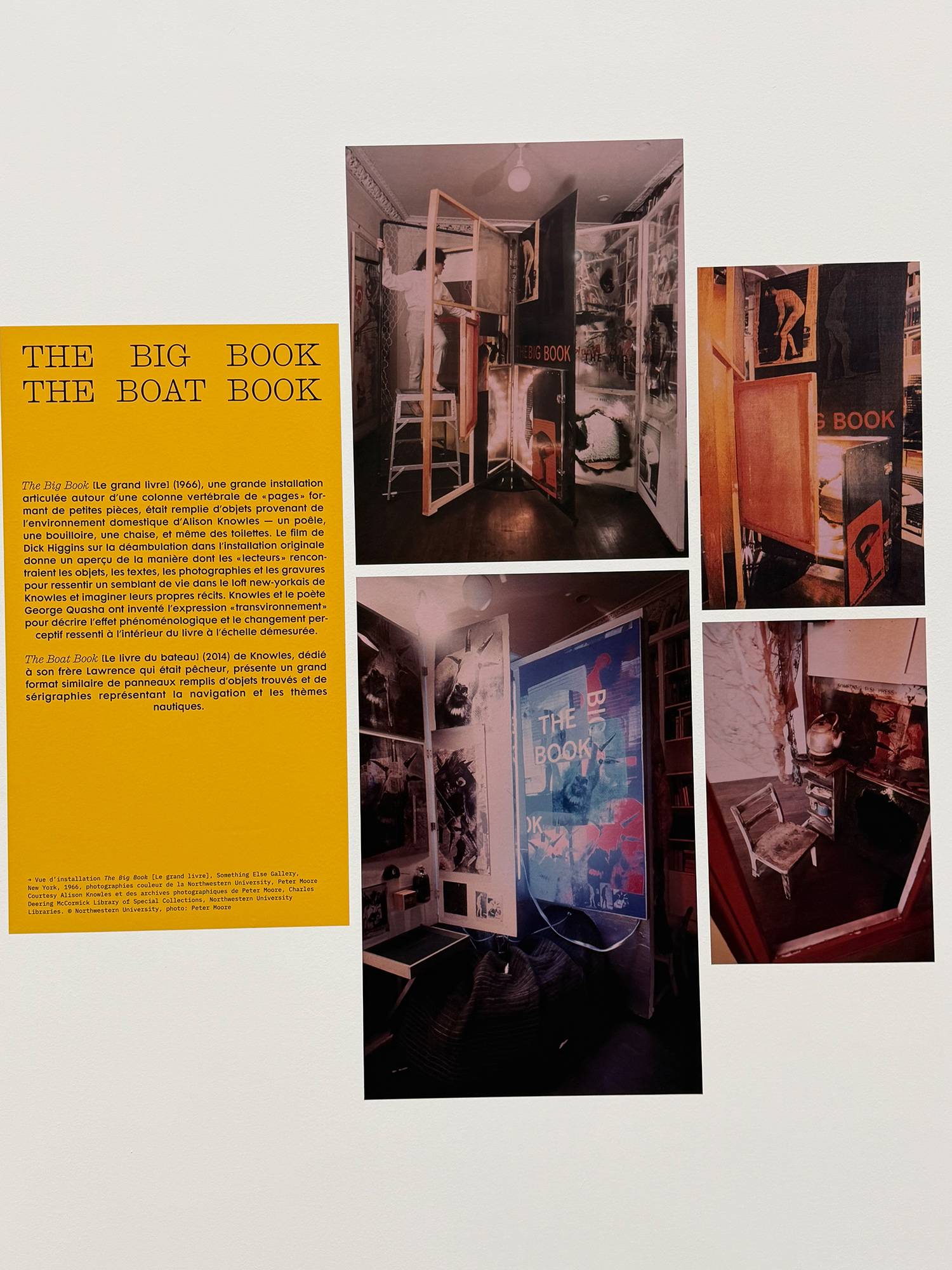
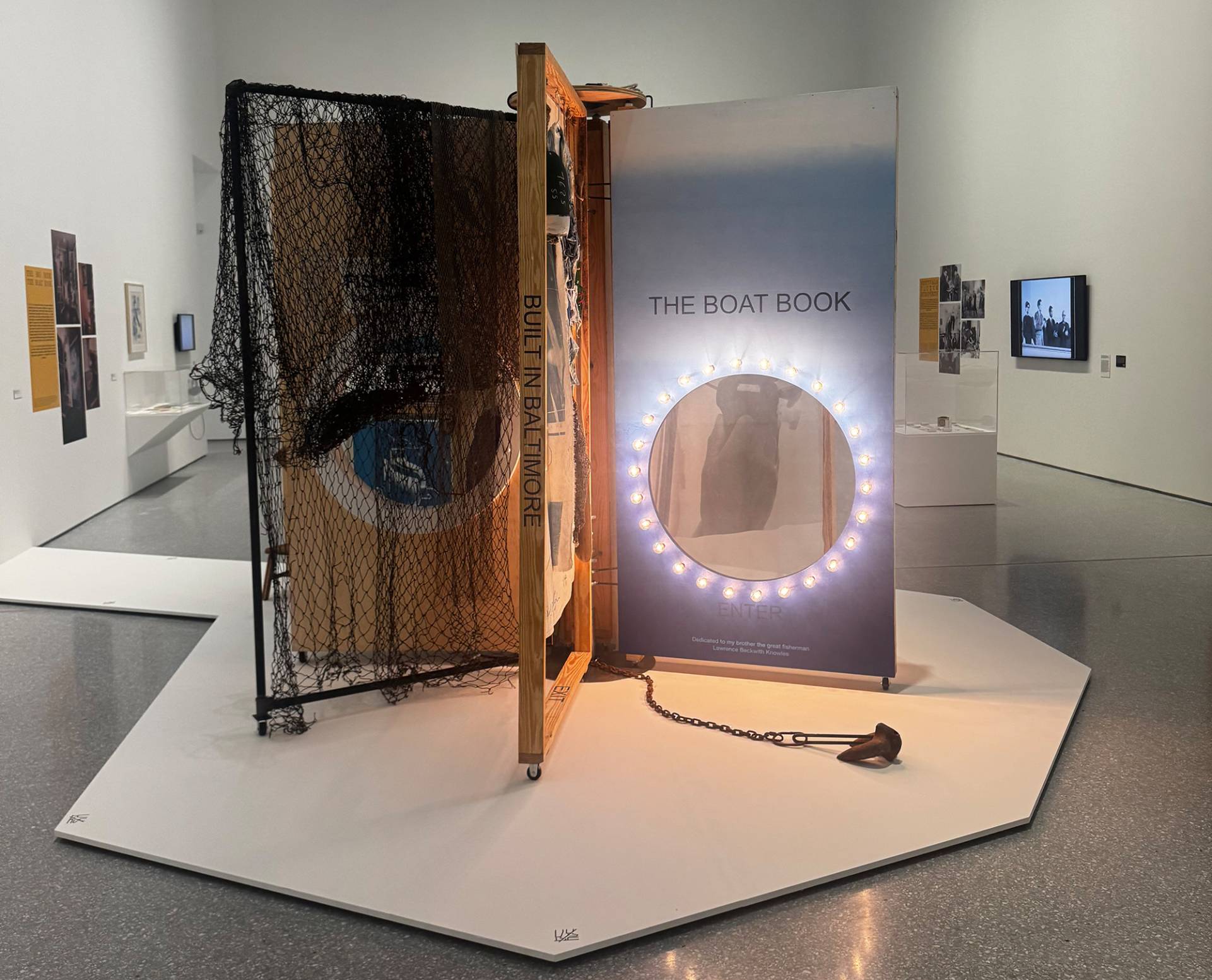
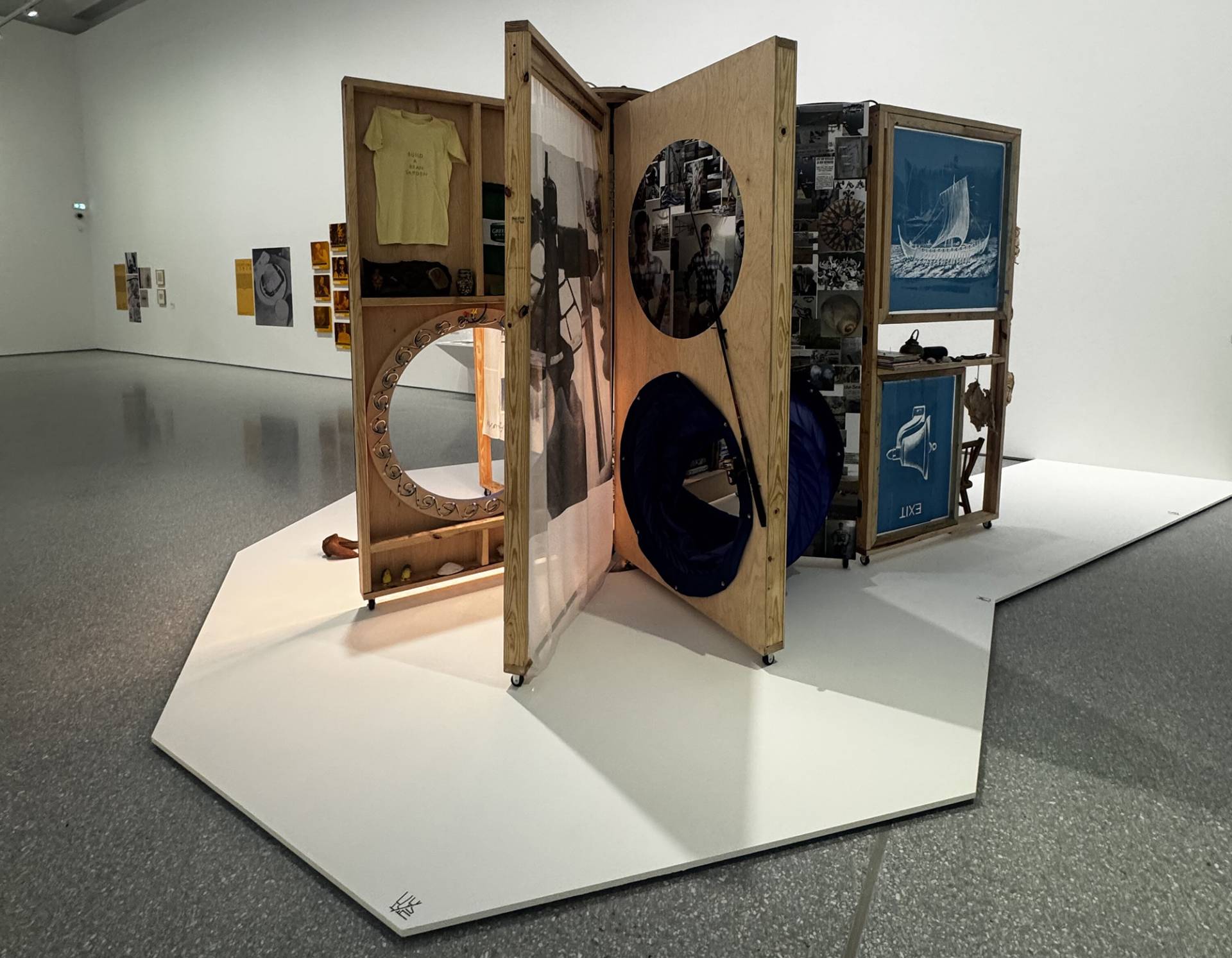
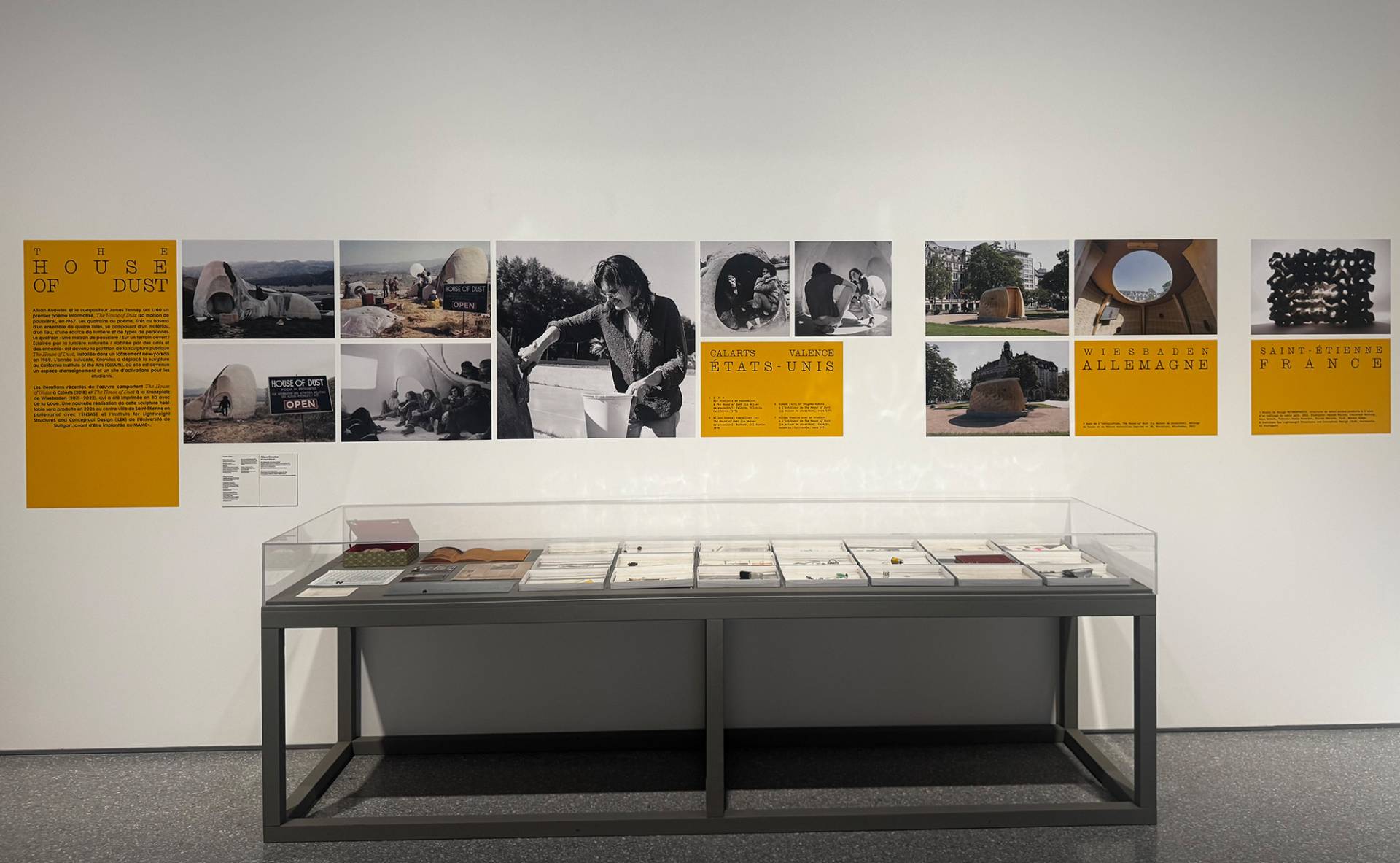
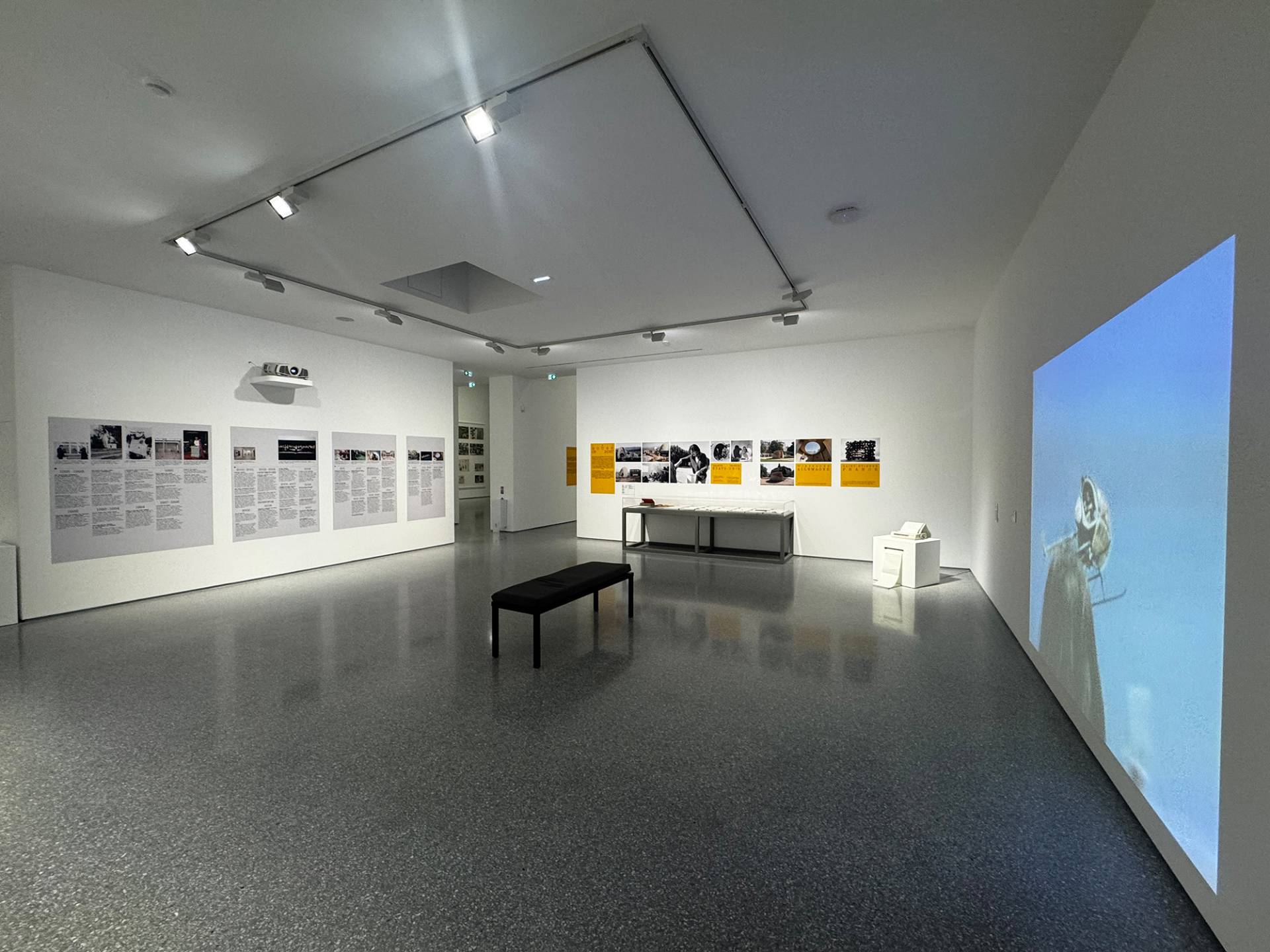
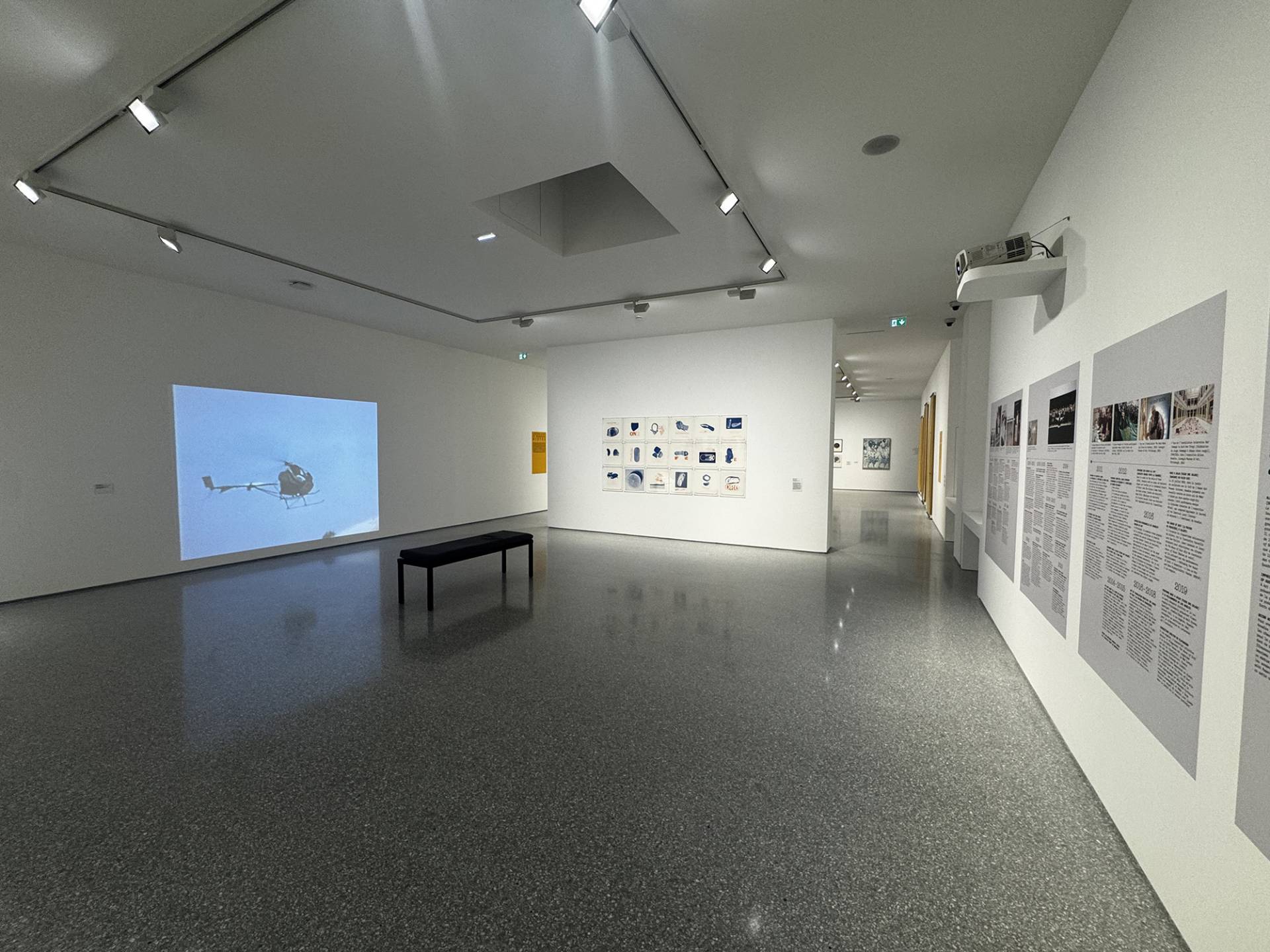
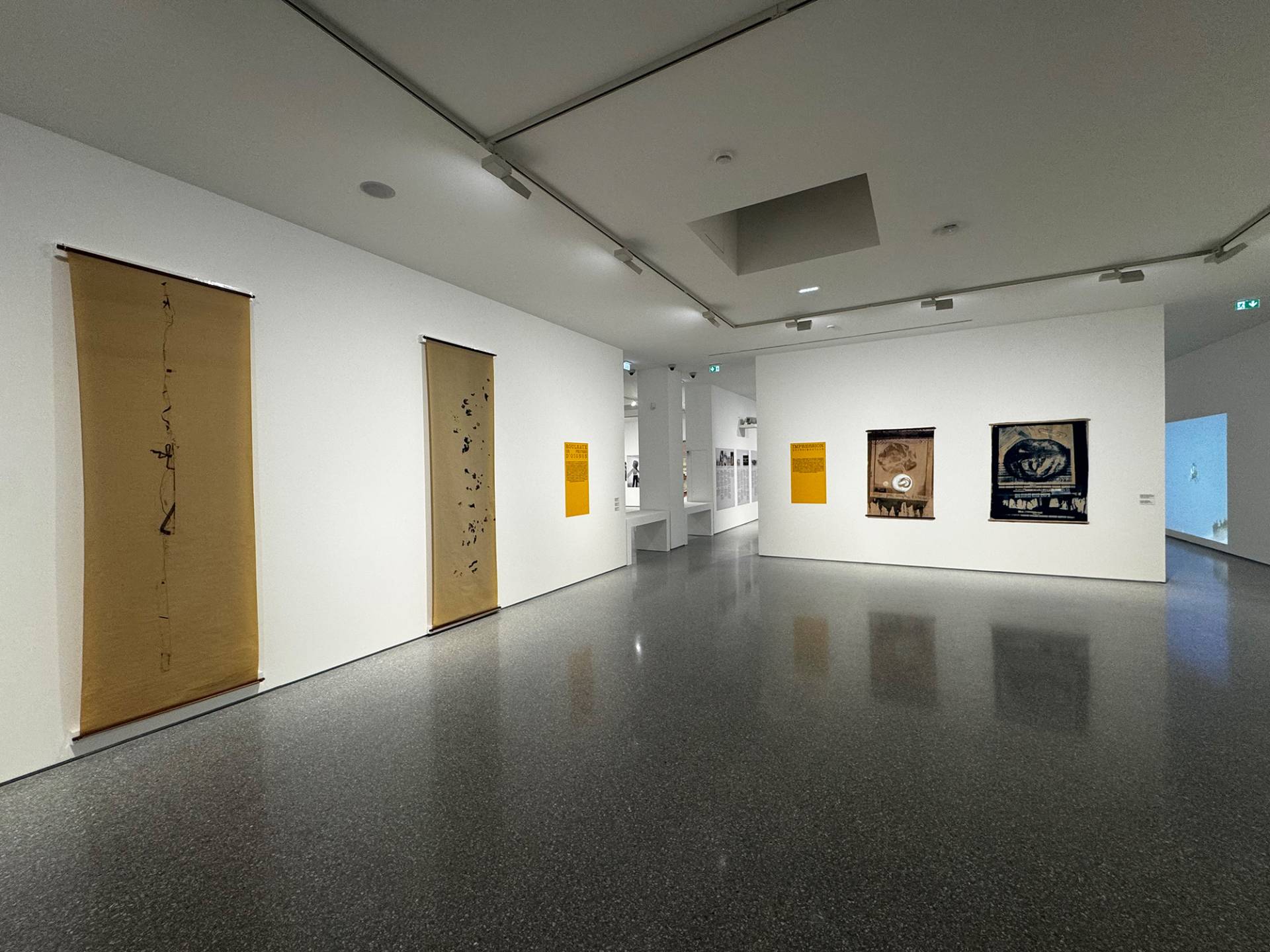
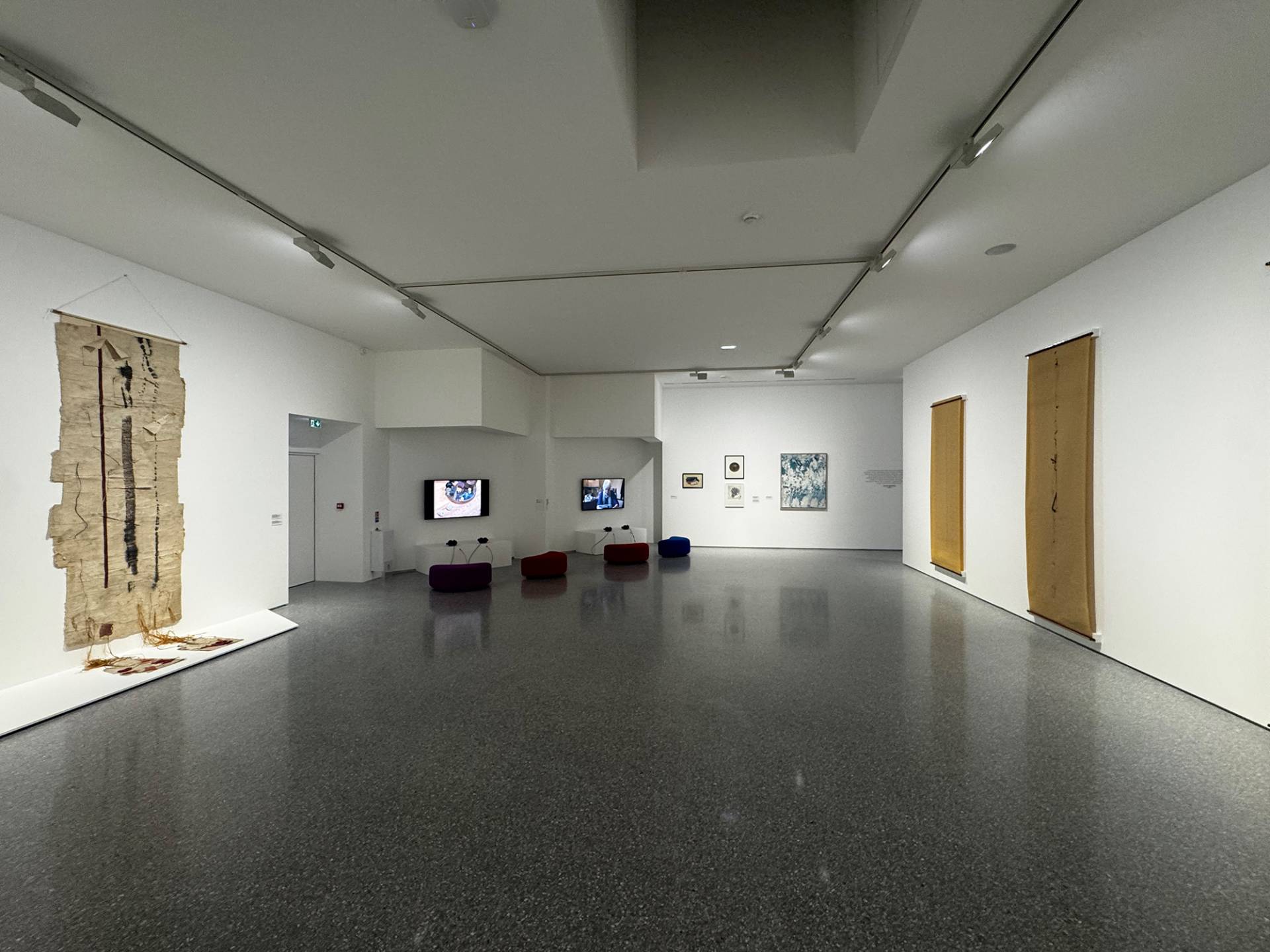
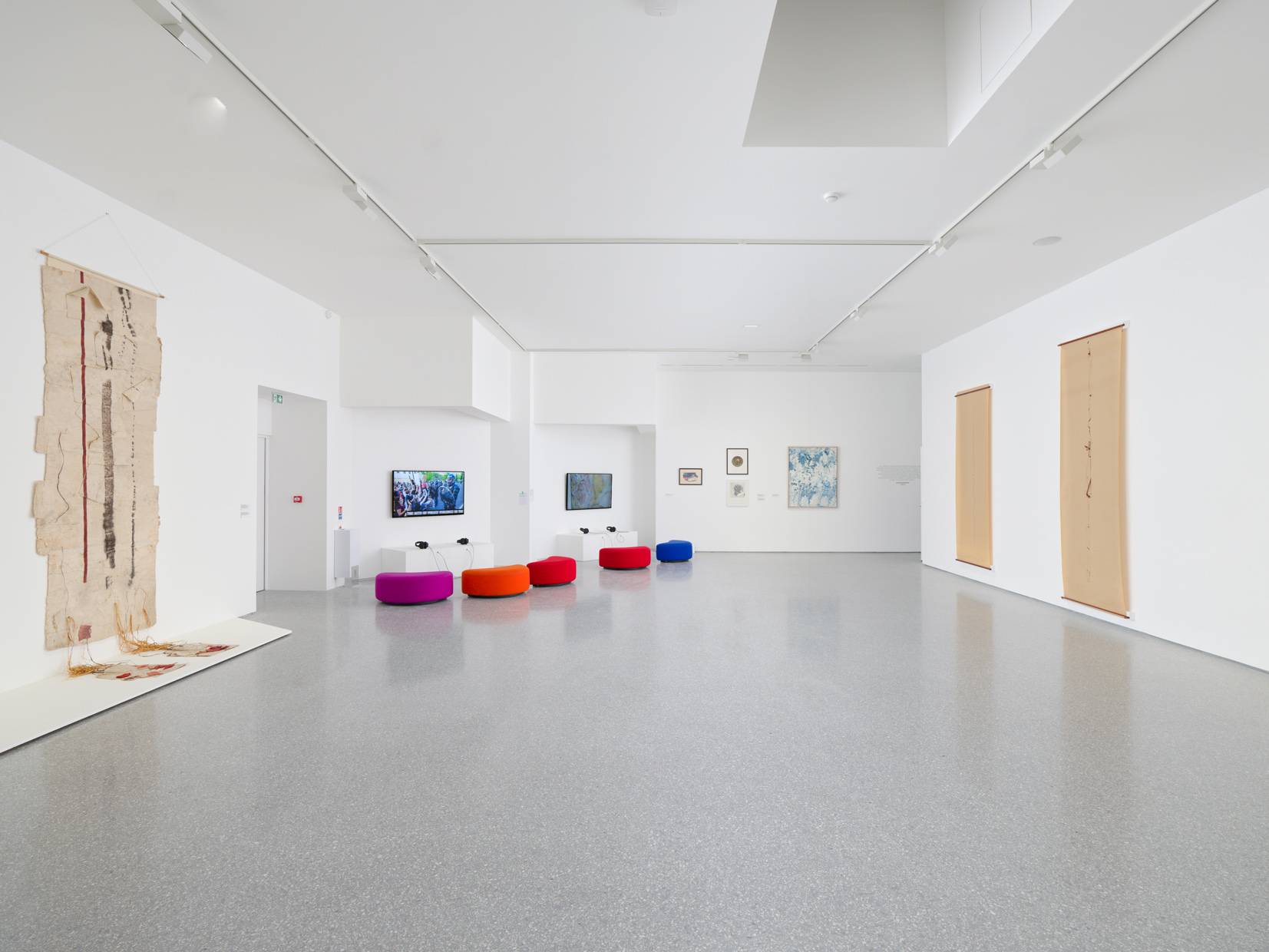
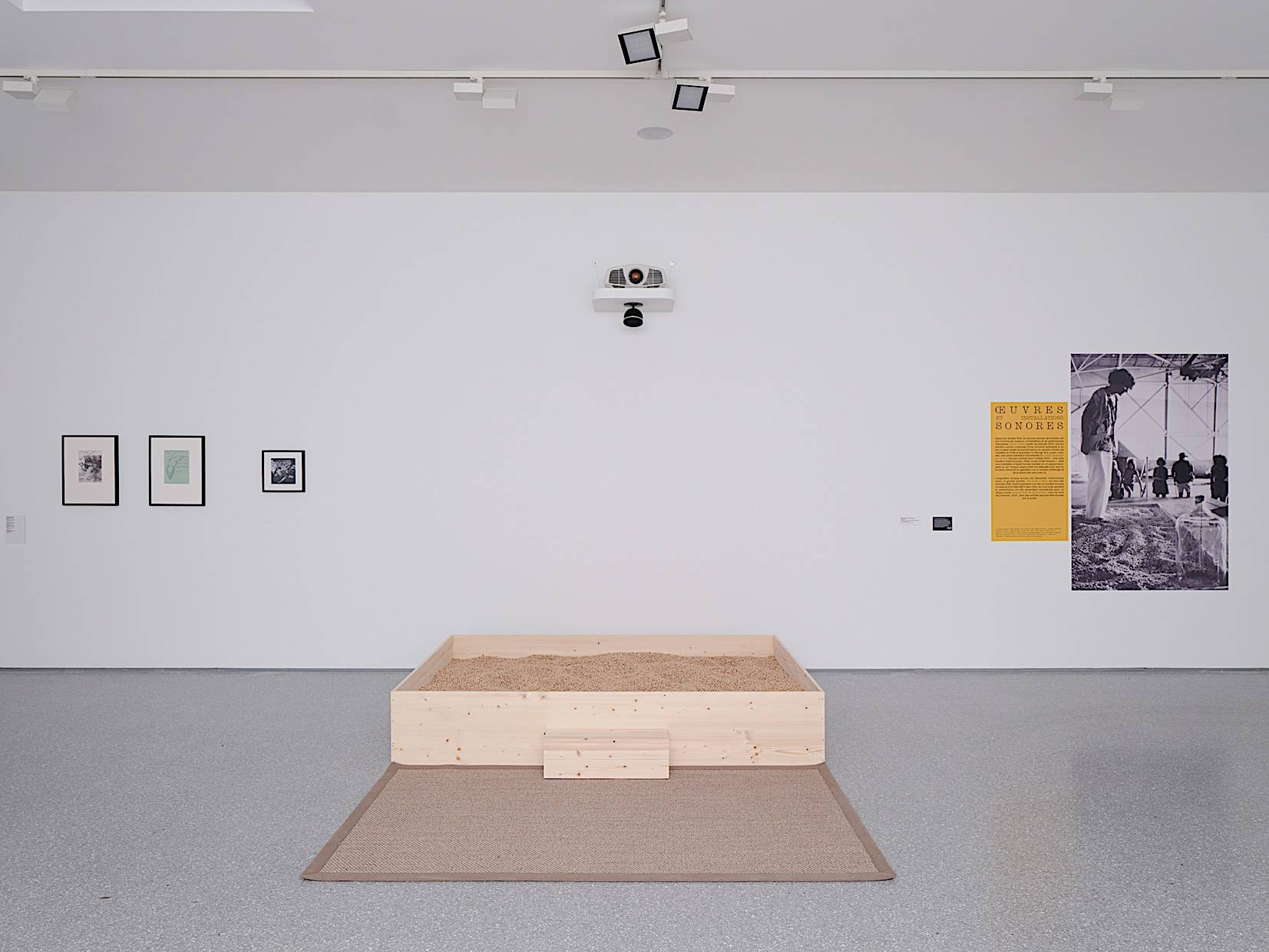
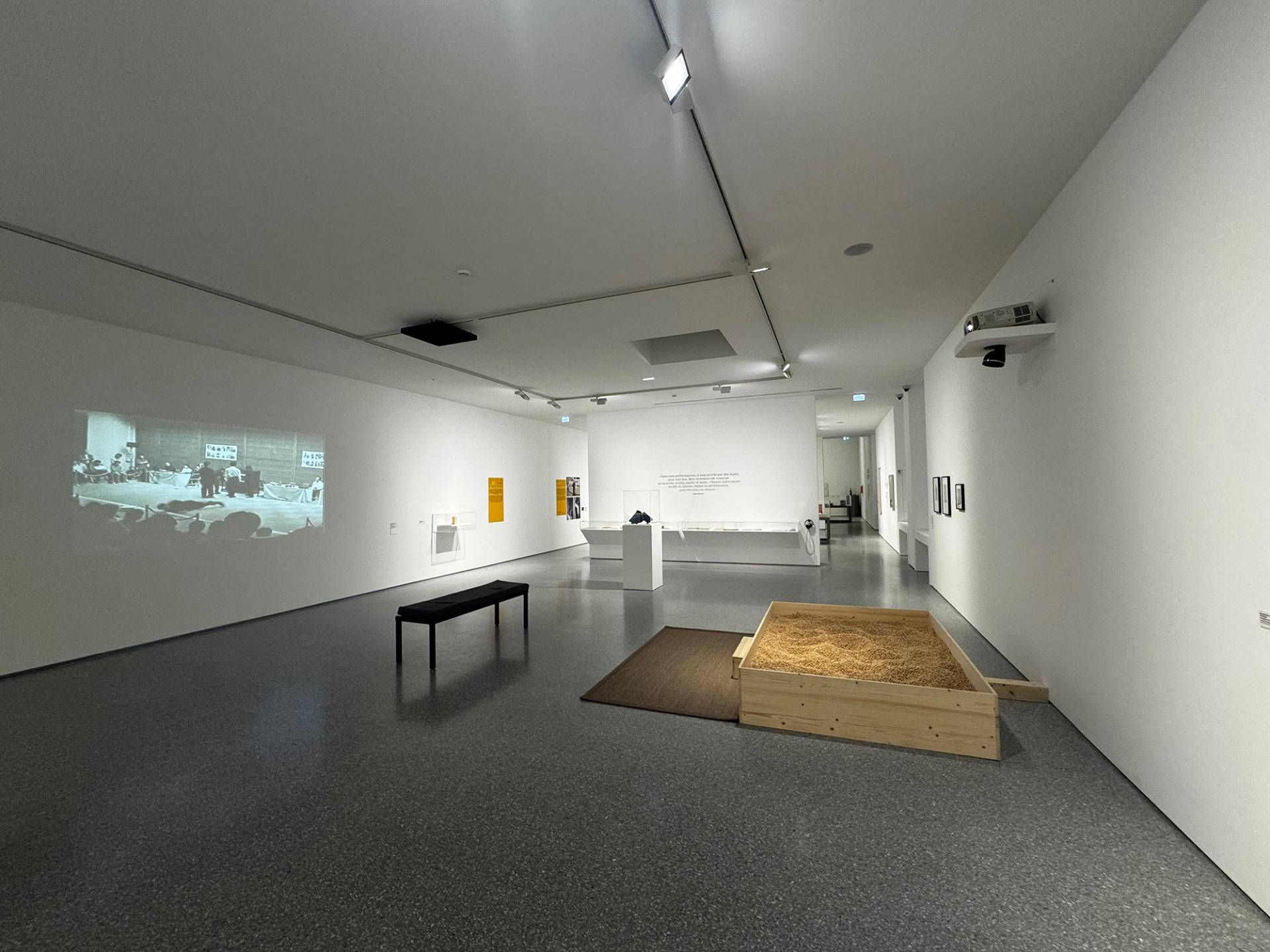
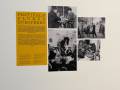
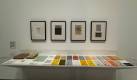
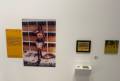
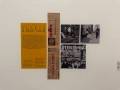
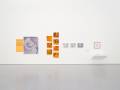
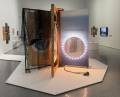
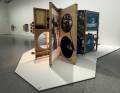
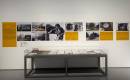
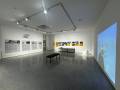
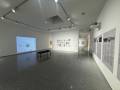
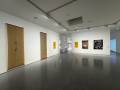
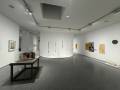
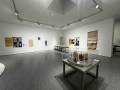
I worked collaboratively with the curatorial team at each institution on their respective installations, each of which had slightly different checklists than the original exhibition at the Berkeley Art Museum. Museum Wiesbaden borrowed intermedia works by Knowles from other German museums; MAMC Saint-Étienne drew on its vast collection and curated a companion exhibition, Fluxus Galaxy; and the Nikolaj Kunsthal installed work in the nave, the chapel niches, and even the altar to facilitate intimate encounters with Knowles’s art. Additionally, each venue translated the exhibition title and didactics into its own language, developed its own graphic identity, and produced large-scale photo reproductions on wall vinyl, since each venue had galleries much larger than at Berkeley.
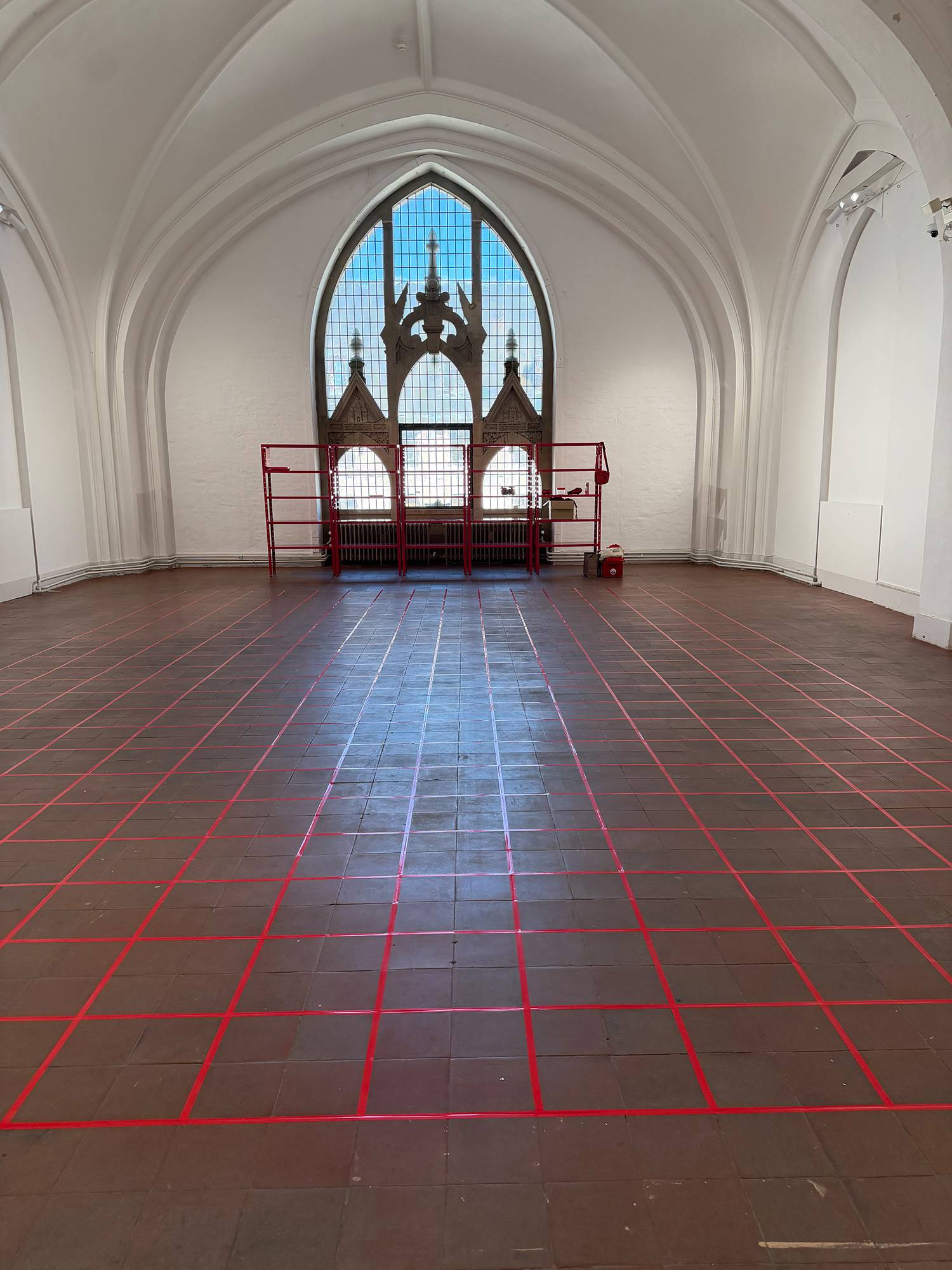
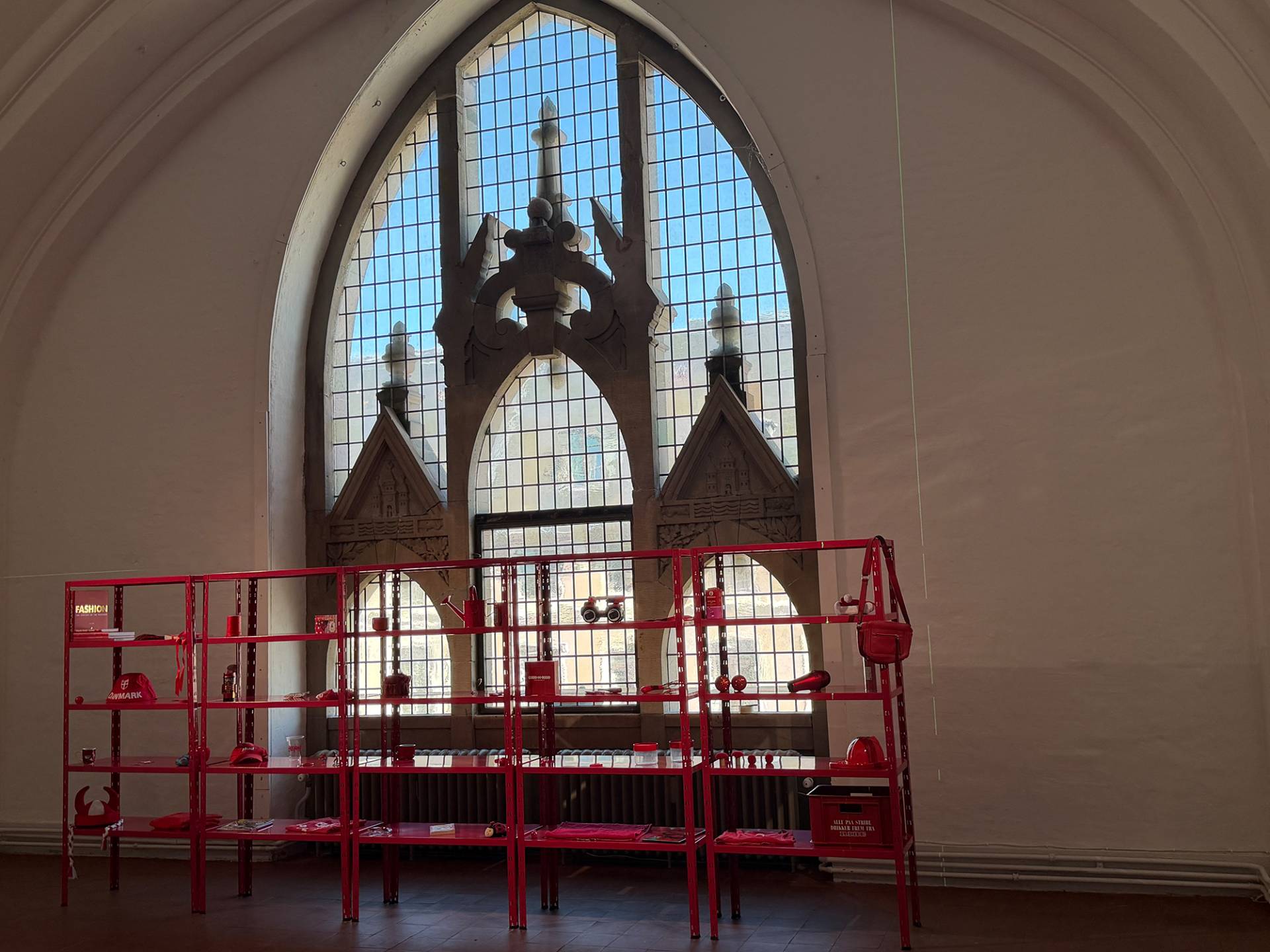
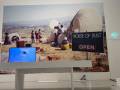
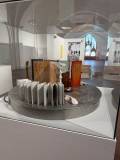
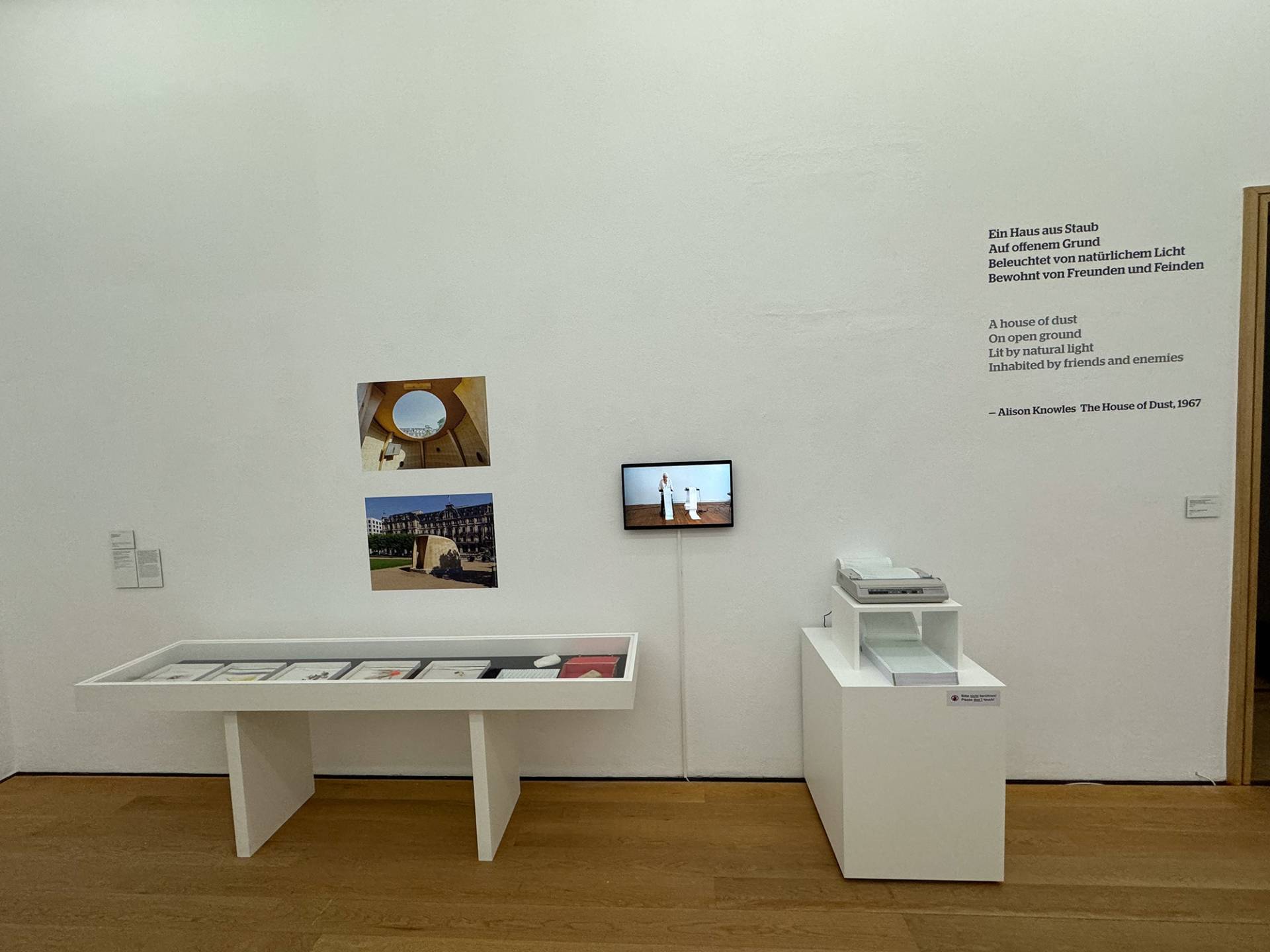
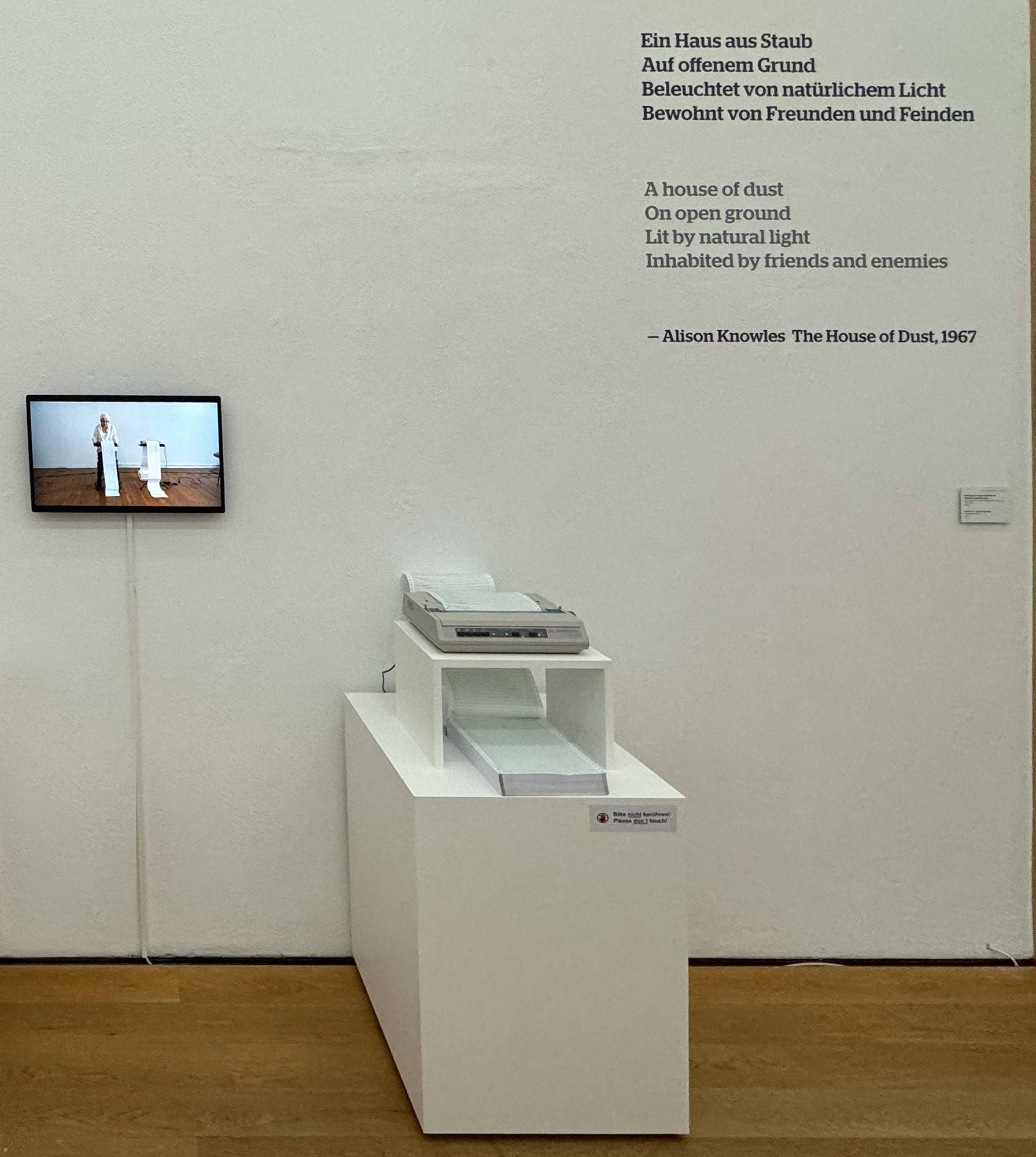
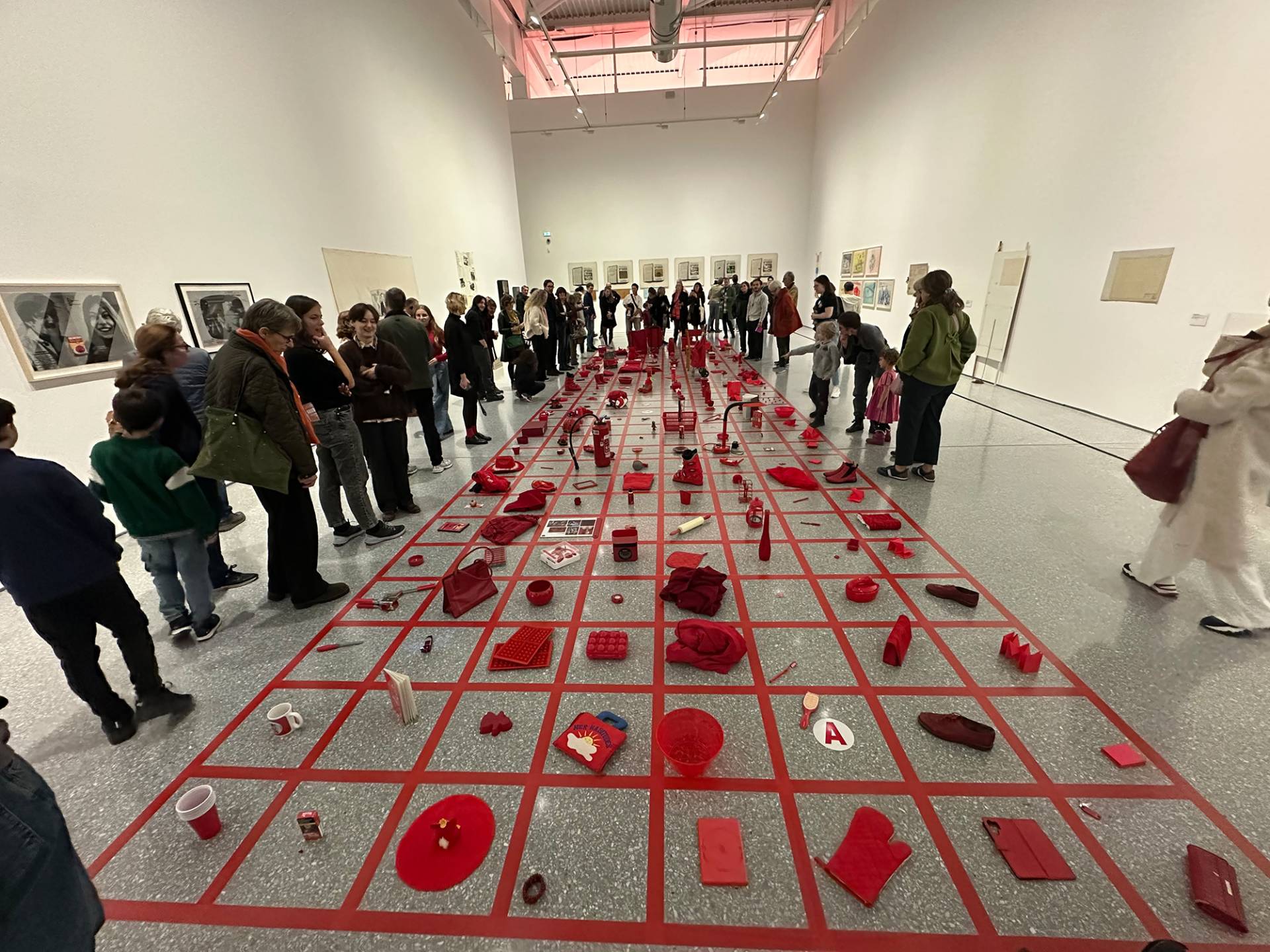
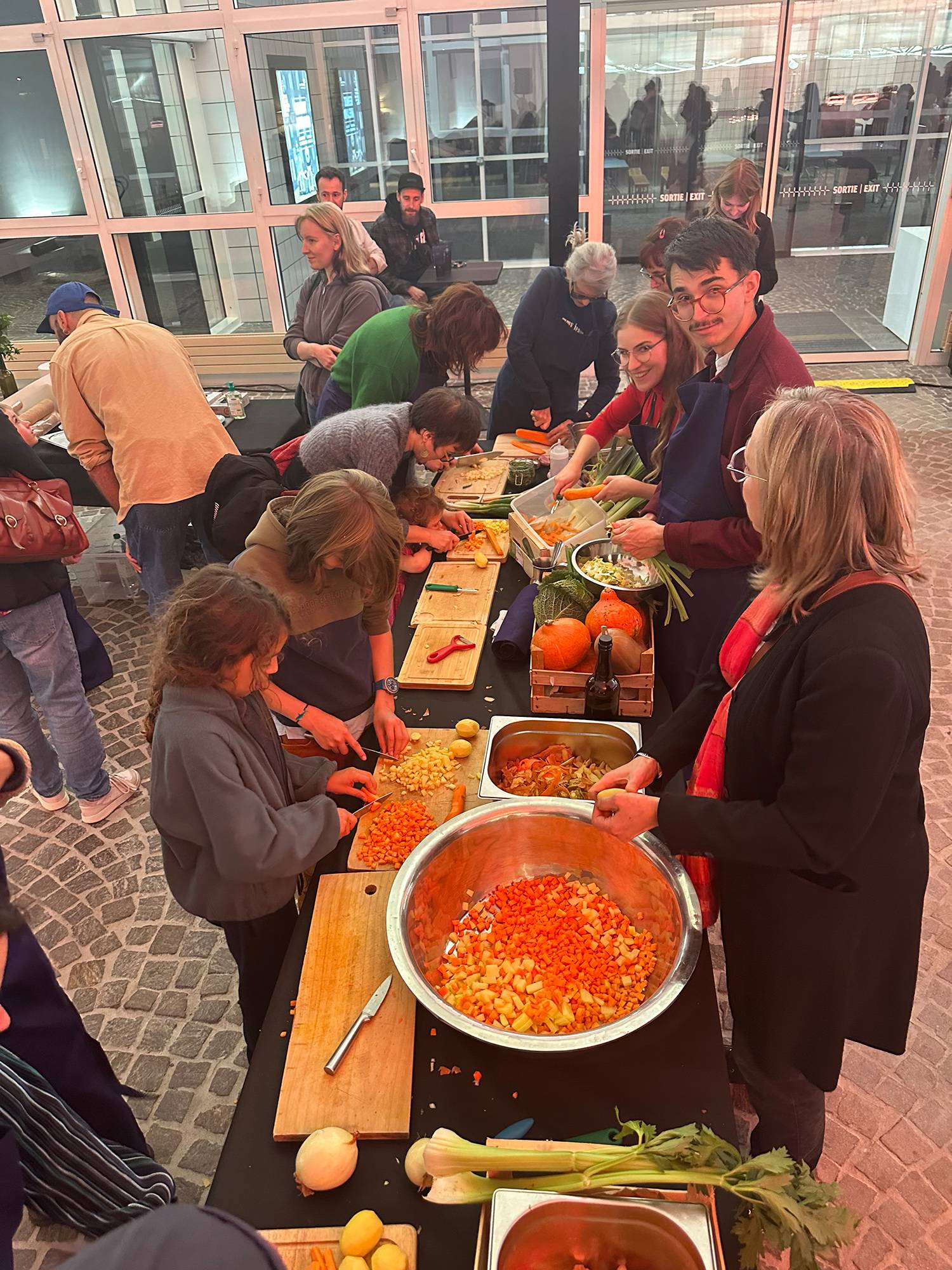
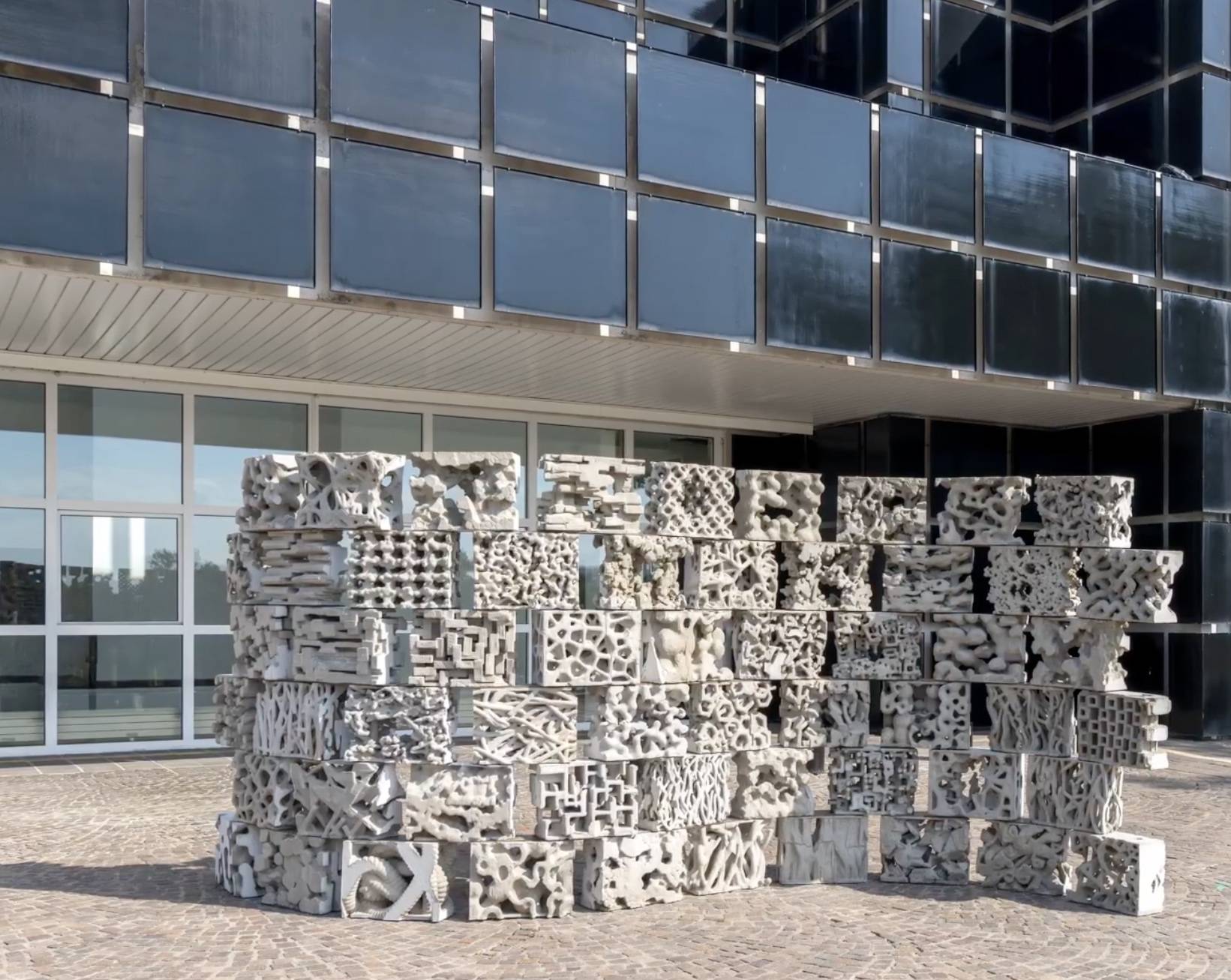
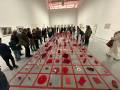
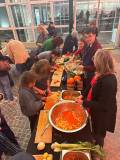
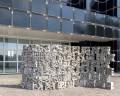
Finally, each European venue organized live events (often Make a Salad or Make a Soup) and/or had spaces for viewers to perform in the galleries. They also invited audiences to participate in Celebration Red, and each museum did a new iteration of Alison’s House of Dust computer poem and built an entirely new structure. It is rewarding to know that so many new international audiences have had an opportunity to learn about her six-decade intermedia practice. For more information on the exhibition at each venue, please see the links below.
Museum Wiesbaden, Germany




Musée d’art moderne et contemporain (MAMC), Saint-Étienne, France
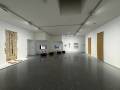
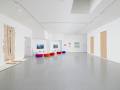
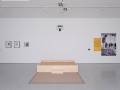
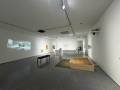
Nikolaj Kunsthal, Copenhagen, Denmark