Jenny Yurshansky: Rinsing the Bones
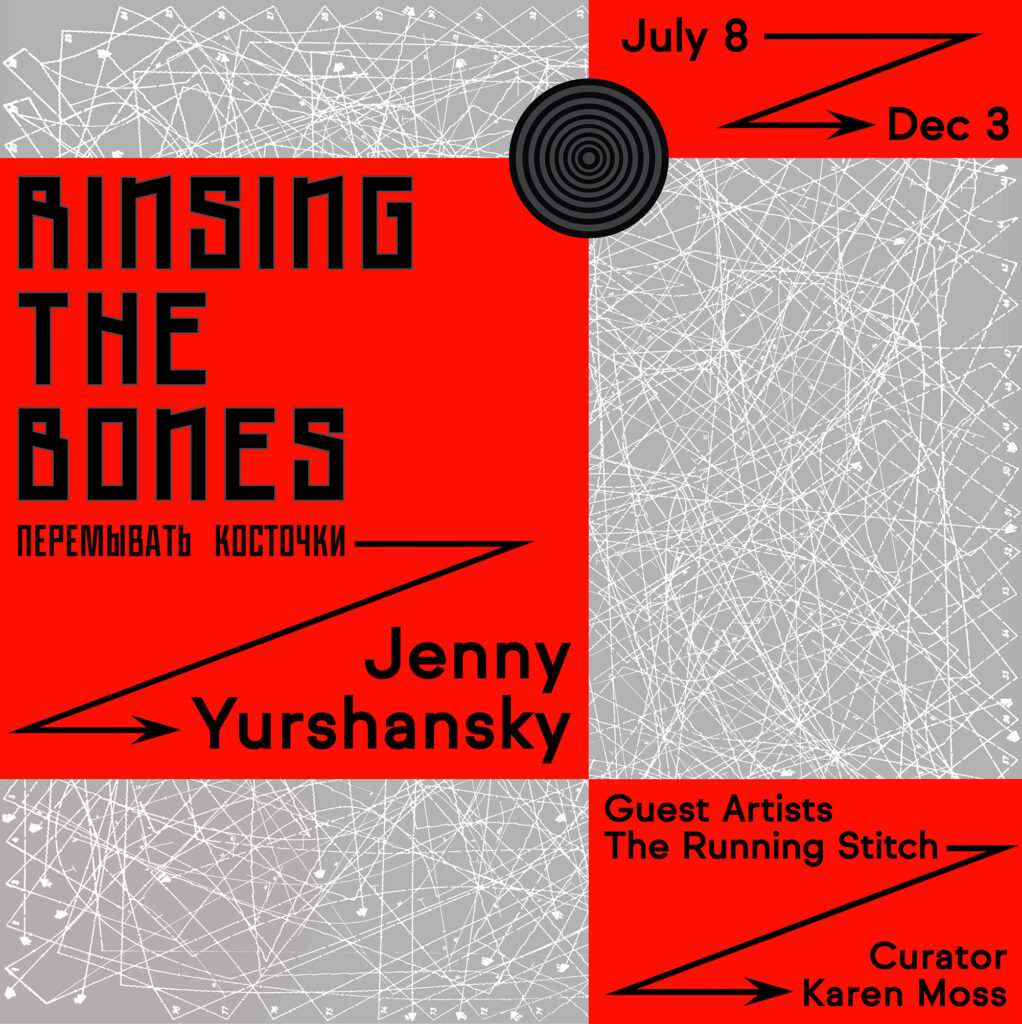
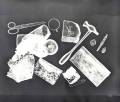
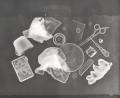
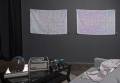
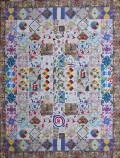
Jenny Yurshansky explores how generational displacement passes the embodied trauma of dislocation onto future generations. During the past two years, Yurshansky held a series of community-based workshops in the greater Los Angeles area for participants to tell their migration story, whether it be their own or their ancestors’. The artist produced new works for this exhibition using the materials they created, which include illustrated family narratives transformed into an installation-scale quilt, audio testimonials in the form of X-ray film records, bone-like 3D-printed sculptures of treasured handheld keepsakes, and photograms resembling airport X-rays. In workshops scheduled during the exhibition, new participants will be invited to share migration histories, excavate memories held in the body, and explore inter-generational trauma. Yurshansky provides opportunities for healing and empathy, creating a safe space for visitors to add their voices to the “unfolding narratives” they may discover through this communal social fabric.
Born stateless to Soviet refugees, Yurshansky’s own experiences led her to organize a year-long series of workshops in the greater Los Angeles area with 300-plus participants from diverse geographic locations. Participants worked with Yurshansky in different media to recount their migration stories through drawing illustrations, making hand-held paper sculptures, sewing quilts with their designs transferred onto fabric, recording their own audio testimonials, and sharing their most meaningful family keepsakes.
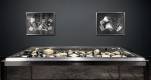
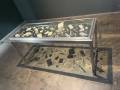
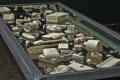
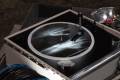
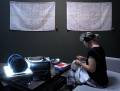
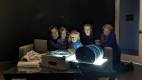
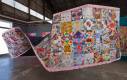
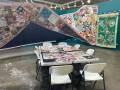
Yurshansky’s collaborative process has culminated in the works in this exhibition that transfer, translate, and transform the original workshop materials to construct a new meaning or metaphor. The family migration stories sewn into quilts become Unfolding Narratives, a monumental-scale, Möbius-shaped installation suspended in the main gallery that reveals cumulative and similar patterns of migration. Recorded testimonials engraved onto X-ray film called Bone Records, a method used in the Soviet Union to copy and share prohibited recordings, overlay audible memories onto shadowy fragments of the human body, which retains trauma. While listening to these recordings, visitors can embroider Wayfinding panels, convoluted Russian sewing patterns transferred to fabric, an analogy to locating oneself in a new, uncharted territory. Scans of treasured mementoes are 3D printed into bone-like sculptures in Reliquaries, installed in a glass vitrine with mirrors that conveys how these archival models are but a virtual reflection of familial lineage and history. Fiber photograms of the 3D-scanned keepsakes, The Fugitive Archive, hang on the wall around the vitrine. The title references not only how one is forced to flee a country, but also the unstable, fleeting history inherent in an archive, while the fiber material connotes the fuzzy condition of our memories. A symbiotic relationship exists between the form, content and titles of Yurshansky’s work to convey metaphors and construct particular meanings in this new context.
The title of this exhibition, Rinsing the Bones, is an expression that originates from an ancient Slavic reburial rite that involved exhuming the deceased and ritually cleansing the body in wine or water to ensure that only bones remained. The belief was that if decomposition was not complete, an unrepentant sinner could potentially become a ghoul or vampire. The family’s duty was to ensure this horror did not happen by “rinsing the bones.”
A crucial aspect of Yurshansky’s process is how she orchestrates a multi-layered, intimate, dialogical and participatory experience for her collaborators—she wants to provide safe spaces for visitors to share histories, excavate memories and explore inter-generational trauma. She strives to share, heal, empathize, and hopefully create deeper connections within the community and the diverse personal histories of migration.
Ultimately, Yurshansky’s Rinsing the Bones examines the patterns of migration’s repercussions and offers ways for people to connect themselves to that ordeal by recounting family stories. Some critical questions she asks are: “What are the indelible impacts on generations whose history is one of being forcibly cast out? What are the long-term consequences felt by those who continue to live in places that forced ‘others’ out? What are the voids left in the wake of these ruptures? How have the losses in cultural memory been manifested?” Yurshansky focuses on the gaps resulting from displacement and the complexity of the word “home” as an uncertain, unstable space located outside the frame of nostalgia.
For additional details about the exhibition and its workshops, please visit 18th Street Arts Center.
Click here to download the exhibition brochure (PDF)